

Have you ever wondered what truly separates a good chili puree from a great one when it comes to industrial food applications? It might surprise you to learn that the secret often lies in meticulous hot chili puree specifications. These aren’t just arbitrary numbers; they are precise guidelines that directly impact everything from flavor consistency and heat stability to microbial safety and shelf life in your final product. Understanding these nuanced specifications is crucial for food manufacturers aiming to achieve consistent quality, optimize their production processes, and ultimately, delight their customers with that perfect kick. But what exactly goes into defining these critical parameters, and how can you ensure you’re making the best choices for your formulations?
Table of Contents
To help navigate the comprehensive world of hot chili puree specifications, here’s an overview of what we’ll explore:
- Introduction: Why Hot Chili Puree Specifications Are Critical for Industrial food manufacturers
- Deconstructing Hot Chili Puree Specifications: Beyond Mere Heat
- Demystifying Heat: Scoville vs. ASTA Pungency Units for Industrial Hot Chili Puree
- The Purity Imperative: Eliminating Contaminants in Hot Chili Puree
- Processing Methods and Their Influence on Hot Chili Puree Specifications
- Aseptic Packaging: Protecting Hot Chili Puree Specifications from Factory to Tank
- Traceability: Guaranteeing Hot Chili Puree Specifications Batch by Batch
- Certifications Beyond Basics: Assuring Quality and Safety of Hot Chili Puree
- Origin and Chili Variety: Intrinsic Influences on Hot Chili Puree Specifications
- Consistency: The Measurable Cornerstone of Reliable Hot Chili Puree
- A Buyer’s Checklist: What to Demand for Hot Chili Puree Specifications
- The True Cost of Non-Compliance: When Hot Chili Puree Specifications Go Astray
- Beyond the Product: Export Documentation and Logistics as ‘Soft Specifications’
- Navigating Egyptian Food Standards: NFSA Compliance for International Assurance
- Technical Support for Tailored Hot Chili Puree Specifications
- The Certificate of Analysis (COA): Your Specification Bible for Hot Chili Puree
- Al Fursan: Mitigating Risks and Ensuring Precise Hot Chili Puree Specifications
- Key Takeaways: Mastering Hot Chili Puree Specifications
- Frequently Asked Questions (FAQs) About Hot Chili Puree Specifications
- Conclusion: Empowering Your Procurement Decisions for Hot Chili Puree Specifications
Now, let’s dive into the fundamental importance of understanding these specifications for industrial success.
Introduction: Why Hot Chili Puree Specifications Are Critical for Industrial Food Manufacturers

In addition, additionally, in the competitive landscape of industrial food production, the smallest ingredient nuance can have a profound impact. Hence, understanding the specific characteristics of hot chili puree specifications is not just beneficial, but absolutely critical. Industrial food manufacturers operate on a scale where consistency is paramount. A slight variation in an ingredient can lead to significant discrepancies across thousands of product units, jeopardizing brand reputation and consumer trust.
Moreover, robust specifications act as the primary defense against product variances. Without clear guidelines, batches of the same product could exhibit different flavor profiles, textures, or heat levels, directly impacting consumer experience and potentially leading to costly product recalls. For instance, a major food manufacturer might use metric tons of hot chili puree annually; any inconsistency in hot chili puree specifications across these volumes could result in millions in losses due to rework or unsellable inventory. The FDA emphasizes the importance of ingredient quality for food safety and public health, underscoring the regulatory imperative.
Furthermore, the financial and reputational risks associated with substandard ingredients are immense. Imagine a scenario where a batch of chili puree fails to meet microbial safety standards. This could lead to widespread foodborne illness, product recalls that decimate consumer confidence, and potential legal ramifications. The damage to a brand built over decades can be irreparable. Effective management of hot chili puree specifications is therefore not merely a quality control measure; it’s a strategic business imperative.
Ultimately, food safety and regulatory compliance are non-negotiable drivers for strict specifications. Manufacturers must ensure that every ingredient, including hot chili puree, adheres to national and international food safety standards. This proactive approach not only safeguards consumers but also streamlines operations by preventing disruptions caused by non-compliant ingredients. With this understanding of their importance, let’s now break down what these critical specifications truly entail.
Deconstructing Hot Chili Puree Specifications: Beyond Mere Heat
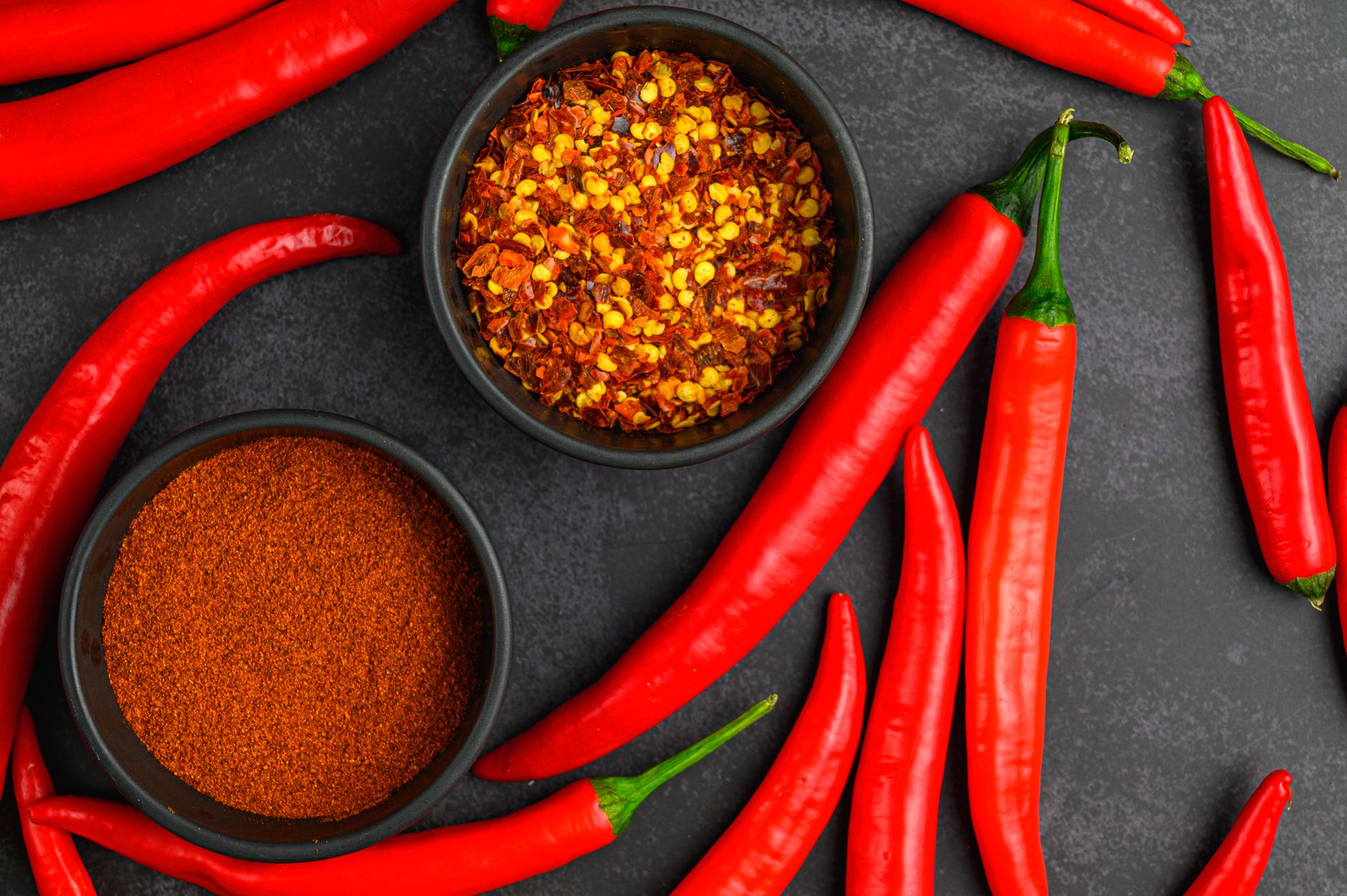
Moreover, while many first think of heat when discussing chili products, the reality of hot chili puree specifications for industrial use extends far beyond a simple ‘spicy’ label. It’s a precise combination of physical and chemical parameters that define a quality product.
Key Physical and Chemical Parameters: Brix chili puree, Scoville hot chili puree, and More
At its core, industrial hot chili puree specifications delve into several critical parameters. One fundamental measure is Brix chili puree, which indicates the concentration of dissolved solids, primarily sugars, in the puree. A consistent Brix value (e.g., 8-10 Brix) is vital for standardizing the flavor intensity and texture, impacting everything from sauce viscosity to overall product stability. For example, a lower Brix might indicate a more diluted product, requiring manufacturers to adjust formulations, which can slow down production lines.
Table 1: Typical Hot Chili Puree Specification Ranges
| Parameter | Typical Range | Importance |
|---|---|---|
| Brix | 8 – 12 % | Concentration, flavor intensity, viscosity |
| pH | 3.5 – 4.2 | Food safety (microbial control), flavor profile |
| Salt (NaCl) | 2 – 4 % | Flavor, preservation |
| Particle Size | < 1.5 mm | Texture, pumpability, filtration |
Another crucial parameter, often synonymous with chili products, is Scoville hot chili puree, measured in Scoville Heat Units (SHU). While indispensable, industrial applications often require more precise and objective pungency measurements beyond the subjective Scoville method. This distinction is paramount for large-scale production, where consistency is king. Industry expert, Dr. Elena Rodriguez, Head of Food Chemistry at the Global Food Standards Institute, states,
“For industrial applications, relying solely on Scoville can be misleading due to its sensory nature. Objective analytical methods are crucial for repeatable product quality and process control.”
For example, the American Spice Trade Association (ASTA) color unit is another vital specification, often used for ground spices and oleoresins to standardize pungency and color.
Understanding Color Readings (Lovibond) for Consistent Product Appeal
Beyond taste, visual appeal significantly influences consumer perception. This is where Lovibond color readings become a critical aspect of hot chili puree specifications. Lovibond quantifies the color of the puree, ensuring a consistent hue that matches consumer expectations. A chili puree used in a vibrant red hot sauce, for instance, must consistently deliver that specific shade. Any deviation could suggest variations in chili variety, ripeness, or processing, leading to an inconsistent end product appearance and potentially affecting brand image. Maintaining a defined Lovibond value (e.g., 20-30 Red) ensures uniform product aesthetics across batches.
Viscosity (Bostwick) and Particle Size Distribution: Impact on Texture and Processing
For industrial applications, the physical characteristics like viscosity and particle size are equally important. Viscosity (Bostwick) measures the flow rate of the puree, directly impacting its pumpability through processing equipment and the final product’s mouthfeel. A puree that is too thick can clog machinery, while one that is too thin might separate in the final product. Similarly, a precise particle size distribution is essential. Industrial purees typically have fine particle sizes (e.g., <1.5mm) to ensure smooth texture, prevent sedimentation, and allow for efficient mixing and bottling. Inconsistent particle size can lead to an undesirable gritty texture or processing difficulties.[1]
Microbial Purity: Ensuring Food Safety and Shelf Stability
Perhaps the most non-negotiable aspect of hot chili puree specifications is microbial purity. This involves strict testing for various microorganisms, including total plate count, yeast and mold, coliforms, and pathogens like Salmonella and E. coli. Ensuring microbial purity is paramount for food safety, protecting consumers from foodborne illnesses, and extending the product’s shelf life. A Certificate of Analysis (COA) detailing these microbial limits is a standard requirement for any reputable supplier, indicating adherence to stringent food safety protocols and Good Manufacturing Practices (GMPs).
Beyond these general parameters, the measurement of ‘heat’ itself requires a deeper look, differentiating between common benchmarks.
Demystifying Heat: Scoville vs. ASTA Pungency Units for Industrial Hot Chili Puree

As we just touched upon, the ‘heat’ factor is paramount for hot chili puree, but its measurement in an industrial context requires clarity and precision. Two primary methods stand out in defining this characteristic, directly impacting how industrial food manufacturers formulate products and manage hot chili puree specifications.
Scoville Heat Units (SHU): The Common Benchmark
Perhaps the most widely recognized measure of chili heat is the Scoville Heat Unit (SHU). Developed by Wilbur Scoville in 1912, this method traditionally relies on human tasters to dilute a chili extract with sugar water until the heat is no longer detectable. The degree of dilution corresponds to the SHU value. While iconic and easily understood by consumers, the Scoville Organoleptic Test is, by its very nature, subjective. Factors like individual palate sensitivity and fatigue can influence results, making it less than ideal for the stringent consistency required for industrial hot chili puree specifications. For instance, a batch of habanero puree might be rated at 100,000 SHU by one panel and 150,000 SHU by another, posing significant challenges for product developers aiming for precise flavor profiles.
ASTA Pungency Units: An Instrumental Approach
For industrial applications, the American Spice Trade Association (ASTA) Pungency Unit offers a far more objective and reliable measurement. This method utilizes High-Performance Liquid Chromatography (HPLC) to quantify the capsaicinoids (the chemical compounds responsible for heat) present in the chili puree. The results are expressed in ASTA Pungency Units, which can be correlated to SHU, typically with 1 ASTA Pungency Unit equating to approximately 15,000 SHU. This instrumental approach eliminates human subjectivity, providing consistent and repeatable data essential for quality control and adherence to precise hot chili puree specifications.
“For consistent industrial food production, relying solely on subjective measures like SHU can lead to significant batch variation,” says Dr. Sarah Jenkins, a food scientist specializing in spice extracts. “ASTA Pungency Units provide the quantifiable data necessary to maintain uniform flavor and heat profiles across millions of product units, ensuring consumer satisfaction and brand integrity.”
| Characteristic | Scoville Heat Units (SHU) | ASTA Pungency Units |
|---|---|---|
| Methodology | Human sensory test (dilution) | HPLC (chemical analysis of capsaicinoids) |
| Objectivity | Subjective | Objective, instrumental |
| Consistency | Variable | High, repeatable |
| Industrial Suitability | Limited for precise QC | Excellent for precise QC |
| Conversion Factor | N/A | ~1 ASTA = 15,000 SHU |
Why Consistent Measurement of Hot Chili Puree Specifications is Non-Negotiable
The choice of measurement method directly impacts product consistency and consumer perception. Inconsistent heat levels in products like sauces, marinades, or prepared meals can lead to dissatisfaction and damage brand reputation. Therefore, food manufacturers must insist on suppliers providing ASTA Pungency Unit data as part of their hot chili puree specifications. This ensures that every batch meets the exact pungency requirements, guaranteeing a predictable and enjoyable experience for the end consumer. Ensuring this level of defined heat is crucial, as any inconsistencies could indicate a broader problem, highlighting the unwavering importance of purity and contaminant control.
The Purity Imperative: Eliminating Contaminants in Hot Chili Puree
Building on this, beyond precise heat measurements and physical attributes, the sheer purity of hot chili puree is an absolute imperative. Contamination, in any form, can compromise safety, flavor, and overall product quality, underscoring the vital need for stringent control over hot chili puree specifications.
Addressing Foreign Matter and Physical Contaminants
Physical contaminants pose an immediate and serious risk to product safety and brand reputation. Imagine finding a stone or a piece of metal in a consumer product derived from chili puree. Prevention begins at the source, with robust inspection and cleaning protocols for raw materials. Industrial processing facilities utilize a multi-pronged approach to eliminate such foreign matter:
- Sophisticated Sorting Technology: Optical sorters and density separators are employed to remove unwanted debris.
- Metal Detection and Magnets: Strategically placed throughout the processing line, these devices catch metallic contaminants.
- Sieving and Filtration: Fine mesh sieves remove small particles, plastics, and other undesirable elements, ensuring a smooth, consistent texture in the final hot chili puree.
These measures are critical to ensuring the physical integrity and safety components of hot chili puree specifications.
Mitigating Pesticide Residues and Heavy Metals Through Rigorous Testing
Chemical contaminants, such as pesticide residues and heavy metals (e.g., lead, cadmium), represent silent threats to public health. Reputable suppliers of hot chili puree implement comprehensive strategies to mitigate these risks. This includes sourcing raw chilies from growers who adhere to Good Agricultural Practices (GAPs) and conducting extensive testing on raw materials and finished products. Advanced analytical techniques, like mass spectrometry (LC-MS/MS and GC-MS/MS) for pesticides and Inductively Coupled Plasma Mass Spectrometry (ICP-MS) for heavy metals, are employed to detect even trace amounts, ensuring compliance with international food safety standards and stringent hot chili puree specifications.
COA chili products: Your Assurance of Purity
The ultimate documentation of a chili puree’s purity and compliance with specifications is its Certificate of Analysis (COA). For COA chili products, this document should detail the absence of foreign matter, confirm pesticide residue levels are below regulatory limits, and verify minimal or non-detectable levels of heavy metals. A comprehensive COA acts as a transparent declaration of quality from the supplier, providing industrial food manufacturers with the necessary assurance that the hot chili puree specifications meet both regulatory requirements and their own internal quality benchmarks. Achieving this level of purity is not accidental; it is intricately linked to the entire manufacturing process, from raw material handling to final delivery.
Processing Methods and Their Influence on Hot Chili Puree Specifications
The journey from raw chili pepper to industrial-grade puree is highly nuanced, and each step in the processing chain significantly influences the final product’s specifications. Understanding these methods is key to appreciating quality and how they shape the ultimate hot chili puree specifications delivered to manufacturers.
How Raw Material Handling Affects End Product
The foundation of high-quality hot chili puree lies in the careful selection and handling of raw materials. Upon arrival at the processing facility, chilies undergo rigorous inspection. This typically involves assessing maturity, color, and freedom from defects. Essential initial steps often include:
- Washing: Thorough washing removes soil, dust, and superficial contaminants, reducing the microbial load and ensuring a cleaner base for the puree.
- Destemming and Coring: Removing stems and, for some varieties, seeds and membranes, prevents unwanted bitterness or textural inconsistencies in the final product. This also helps control the overall heat level, as capsaicinoids are concentrated in the placenta (the white pith) rather than the seeds themselves.
- Sorting: Manual or automated sorting helps eliminate damaged or off-spec peppers, further ensuring the purity and quality of the raw input for hot chili puree.
These early stages are paramount in establishing the baseline for the entire set of hot chili puree specifications.
Grinding Techniques and Homogenization: Shaping Texture and Stability
Once cleaned and prepared, the chilies move to the grinding stage, which profoundly impacts the puree’s texture and mouthfeel. Different grinding techniques yield varying particle sizes:
- Coarse Grinding: May be used for purees where a more rustic, textured product is desired.
- Fine Grinding: Creates a smooth, uniform paste, ideal for applications requiring a consistent consistency in the final food product.
Following grinding, homogenization is a critical process, especially for maintaining emulsion stability and desired viscosity. Homogenization typically involves forcing the puree through a narrow opening under high pressure. This process breaks down larger particles and fat globules into much smaller, uniformly distributed ones. For hot chili puree, homogenization helps prevent separation of solids from liquids, creates a stable emulsion, and contributes to a consistent, smooth texture.
Finally, thermal processing, such as pasteurization, is essential for microbial reduction. This carefully controlled heating process significantly extends shelf life without compromising the delicate balance of flavor, color, and heat that define premium hot chili puree specifications. Efficient thermal processing inactivates spoilage microorganisms and pathogenic bacteria, making the product safe for consumption and storage.
Aseptic Packaging: Protecting Hot Chili Puree Specifications from Factory to Tank
After meticulous processing, maintaining the integrity of hot chili puree specifications becomes paramount. This is where advanced packaging solutions, particularly aseptic bulk packaging, play a heroic role in ensuring quality and shelf stability.
The Science Behind Aseptic Bulk Packaging (e.g., Drums)
Aseptic packaging is a sophisticated processing and packaging technique designed to produce commercially sterile products that can be distributed and stored at ambient temperatures without refrigeration. The core principle involves independently sterilizing both the product and the packaging material, and then bringing them together in a sterile environment. For hot chili puree destined for industrial use, this typically involves large formats like bag-in-box or drums. Before filling, the drums or bags are sterilized (e.g., with steam or hydrogen peroxide) to eliminate any microorganisms. Simultaneously, the chili puree undergoes ultra-high temperature (UHT) processing to achieve commercial sterility, meaning all microorganisms capable of growing in the product under normal non-refrigerated conditions have been destroyed. The product is then filled into the sterile packaging within a closed, sterile system.
This innovative method offers significant advantages for preserving crucial hot chili puree specifications from the factory to the client’s tank.
Preserving Microbial Quality and Sensory Attributes
The benefits of aseptic packaging are multifaceted, directly contributing to the preservation of hot chili puree specifications:
- Extended Shelf Life: By eliminating spoilage microorganisms, aseptic packaging allows for a significantly longer shelf life, often up to 12-24 months, without the need for refrigeration. This reduces storage costs and logistical complexities for industrial manufacturers.
- Enhanced Food Safety: The sterile conditions prevent microbial growth, guaranteeing the safety of the product throughout its shelf life.
- Preservation of Sensory Attributes: Unlike traditional canning which often involves prolonged high-temperature processing inside the can, aseptic processing uses rapid heating and cooling. This minimizes thermal damage to the puree, better preserving its natural color, fresh flavor, and nutritional value. The heat, viscosity, and other sensory components that define quality hot chili puree specifications remain intact.
- Logistical Efficiency: Ambient storage reduces energy consumption and simplifies transportation, offering economic benefits to both suppliers and buyers. Moreover, bulk aseptic packaging fits seamlessly into industrial production lines, providing ready-to-use ingredients.
Once processing is complete, the method of packaging becomes the next critical barrier in protecting these carefully crafted specifications and ensuring the puree arrives in perfect condition.
Traceability: Guaranteeing Hot Chili Puree Specifications Batch by Batch
In tandem with protective packaging, the ability to trace hot chili puree from its origin to its destination is a non-negotiable aspect of modern industrial food supply chains. This robust traceability system guarantees hot chili puree specifications are met and enables rapid response to any issues.
The Role of ERP Systems in End-to-End Tracking
Crucially, Enterprise Resource Planning (ERP) systems are the backbone of modern traceability. These sophisticated software platforms integrate various business processes, allowing for end-to-end tracking of raw materials, processing stages, and finished goods. For hot chili puree, this means logging everything from the farm where the chilies were grown, through harvesting, transport, processing into puree, and finally, packaging and distribution. Such meticulous data capture ensures that every step adheres to predefined hot chili puree specifications.
Batch Numbers on COAs: A Vital Link to Specification History
Moreover, batch numbers play a pivotal role in maintaining traceability. Each batch of hot chili puree produced is assigned a unique identifier, which is prominently displayed on product labels and, critically, on the Certificate of Analysis (COA). This batch number serves as a vital digital fingerprint, directly linking the manufactured product to its entire production history, including raw material sourcing data, processing parameters, and comprehensive quality control results. Should any deviation from hot chili puree specifications arise, manufacturers can quickly pinpoint the affected batch and take corrective action, safeguarding consumer safety and brand reputation. According to the FDA’s Food Traceability Rule, enhanced traceability recordkeeping for certain foods, including many produce items, is becoming increasingly important.[2]
The benefits of advanced traceability are manifold:
- Rapid Recall Capabilities: In the event of a quality issue or contamination, affected batches can be identified and recalled swiftly and efficiently, minimizing public health risks.
- Enhanced Consumer Confidence: Consumers increasingly demand transparency in their food products. Robust traceability systems provide assurance that products meet stringent quality and safety standards.
- Verification of Quality: Industrial buyers can easily verify the quality and origin of their hot chili puree, ensuring it aligns with their internal product requirements.
- Consistent Quality Control: By tracking every stage, suppliers can identify bottlenecks or inconsistencies in production, leading to continuous improvement and more reliable hot chili puree specifications.
This intricate tracking, combined with the detailed information provided by certifications, forms the ultimate shield for product quality and consumer trust.
Certifications Beyond Basics: Assuring Quality and Safety of Hot Chili Puree
While robust internal controls and traceability are foundational, external certifications provide an impartial, globally recognized assurance of quality and safety for hot chili puree. These benchmarks go beyond basic compliance, signaling a commitment to excellence.
FSSC 22000 and ISO Certification: Global Benchmarks
Specifically, FSSC 22000 (Food Safety System Certification) and ISO 22000 (International Organization for Standardization) are among the most respected food safety management systems globally. FSSC 22000, built upon ISO 22000, offers a complete certification scheme for food manufacturers, covering comprehensive food safety management, prerequisite programs, and additional requirements. Achieving these certifications demonstrates a supplier’s unwavering dedication to producing safe, high-quality hot chili puree consistently. For industrial buyers, choosing a supplier with FSSC 22000 certification significantly reduces the risk associated with their supply chain by ensuring rigorous adherence to international food safety standards for hot chili puree specifications. Similarly, ISO 9001, while not food-specific, indicates a robust quality management system.
HACCP Principles in Hot Chili Puree Production
Furthermore, Hazard Analysis and Critical Control Points (HACCP) principles are an integral part of any credible food safety system, especially for producing hot chili puree. HACCP is a systematic preventive approach to food safety from biological, chemical, and physical hazards in production processes that can cause the finished product to be unsafe. By proactively addressing potential hazards at every critical control point – from raw chili reception and washing to blanching, pureeing, pasteurization, and aseptic packaging – suppliers can guarantee the microbiological and chemical safety of their hot chili puree. This scientific approach is fundamental in maintaining critical hot chili puree specifications for safety.
“Effective HACCP implementation is not just about compliance; it’s about embedding a culture of safety throughout the entire production lifecycle, ensuring every batch of hot chili puree meets the highest standards for consumer protection.” – Dr. Al Fursan, Food Safety Expert
Halal Certification: Meeting Diverse Market Needs
In addition to food safety management systems, certifications like Halal are crucial for accessing specific markets and meeting the dietary requirements of diverse consumer bases. Halal certification confirms that the hot chili puree and its production process adhere to Islamic dietary laws, ensuring no forbidden ingredients or cross-contamination from non-Halal substances. This not only opens doors to significant global markets but also demonstrates a supplier’s commitment to inclusivity and catering to varied cultural and religious needs. Other relevant certifications, such as Kosher or organic certifications (if applicable to the product), further add layers of assurance and broaden a product’s appeal, providing additional confidence in a supplier’s commitment to specific hot chili puree specifications.
These foundational principles, from processing through certification, are often intrinsically linked to the very origin and variety of the chili itself.
Origin and Chili Variety: Intrinsic Influences on Hot Chili Puree Specifications
Even with meticulous processing and robust quality systems, the fundamental characteristics of hot chili puree are deeply rooted in its origin. The specific chili variety and the environmental ‘terroir’ from which it hails intrinsically shape its flavor, heat, and color profiles.
Impact of Specific Chili Types (Habanero, Cayenne, Egyptian Varieties)
Different chili types are naturally endowed with distinct attributes. For instance, a Habanero chili will inherently possess much higher Scoville Heat Units (SHU) and a more fruity, floral flavor profile compared to a Cayenne, which offers a clean, pungent heat. Egyptian chili varieties, known for their vibrant color and balanced heat, provide another unique set of characteristics. This natural variability in capsaicin content, carotenoids (for color), and volatile compounds (for flavor) means that the choice of chili variety is the absolute first step in defining hot chili puree specifications. Manufacturers planning to produce a mild puree will not select a Trinidad Scorpion, just as those aiming for intense heat won’t typically use Bell Peppers. Understanding these inherent properties is crucial for both suppliers and industrial buyers to align on desired hot chili puree specifications.
| Chili Variety | Typical Scoville Heat Units (SHU) | Dominant Flavor Notes | Typical Color (Processed) |
|---|---|---|---|
| Habanero | 100,000 – 350,000 | Fruity, floral, intense heat | Orange/Yellow |
| Cayenne | 30,000 – 50,000 | Pungent, earthy, clean heat | Red/Orange |
| Egyptian Long Red | 15,000 – 30,000 | Earthy, slightly sweet, moderate heat | Deep Red |
Terroir and Its Effect on Flavor and Heat Profiles
Beyond genetics, the concept of ‘terroir’ – encompassing the unique combination of soil, climate, and geography – profoundly impacts chili attributes. A chili grown in one region may exhibit different heat levels or subtle flavor nuances compared to the same varietal grown elsewhere, even under similar cultivation practices. Soil composition influences nutrient uptake, affecting pungency and color. Sunlight exposure and temperature regimes dictate the plant’s metabolic processes, including capsaicin synthesis. As research suggests, environmental factors significantly contribute to the phytochemical composition of chilies. Therefore, suppliers must account for this natural variability when setting and achieving consistent hot chili puree specifications, often relying on specific regional sourcing to meet precise requirements. An example could be chilies grown in arid climates sometimes exhibiting higher capsaicin levels due to stress.
Understanding these intrinsic qualities is just one piece; ensuring their consistent reproduction batch after batch is where true mastery of hot chili puree specifications truly lies.
Consistency: The Measurable Cornerstone of Reliable Hot Chili Puree
Given the intrinsic variability of natural ingredients, the ultimate triumph in industrial hot chili puree production is achieving unwavering consistency. This reliability is not merely a desirable trait; it is the absolute cornerstone of efficient food manufacturing.
Internal Quality Control at Al Fursan: Ensuring Batch-to-Batch Uniformity
Achieving consistency in hot chili puree specifications requires a stringent internal quality control regimen. Suppliers like Al Fursan implement sophisticated quality management systems designed to standardize every stage of production. This includes rigorous incoming raw material inspection, precise control over processing parameters (heating temperatures, times, milling processes), and comprehensive in-process and final product testing. Advanced analytical equipment is used to measure parameters such as Scoville Heat Units, Brix (sugar content), pH, color (Lovibond or ASTA), and Bostwick consistency. By continuously monitoring and adjusting these factors, producers can minimize batch-to-batch variation, ensuring that every drum of hot chili puree delivered meets the tightest hot chili puree specifications. This commitment to uniformity is vital for industrial clients who depend on predictable ingredient performance.
- Raw Material Screening: Each delivery of fresh chilies is inspected for quality, ripeness, and freedom from defects.
- Process Standardization: Automated systems control critical parameters during pureeing and pasteurization.
- Real-time Monitoring: Sensors and operators constantly check key metrics throughout production.
- Post-Production Analysis: Every finished batch undergoes a full laboratory analysis against the established hot chili puree specifications.
- Statistical Process Control (SPC): Data analysis identifies trends and potential deviations before they impact quality.
Why Consistent Hot Chili Puree Specifications Drive Production Efficiency
For industrial buyers, consistent hot chili puree specifications translate directly into operational efficiency and cost savings. When the heat level, viscosity, color, and pH of a delivery are reliably the same as the last, food manufacturers can:
- Reduce Production Errors: Eliminates the need for constant adjustments to recipes or processes, minimizing rework and waste.
- Streamline Operations: Predictable ingredient behavior allows for smoother production runs and higher throughput.
- Ensure End-Product Quality: Guarantees that the final consumer product maintains its intended flavor, texture, and appearance.
- Lower R&D Costs: Reduces the time and resources spent on re-formulating products due to variable raw materials.
- Build Brand Trust: Consistent input quality leads to consistent output quality, strengthening brand reputation among consumers.
Achieving this high level of consistency allows buyers to confidently make demands, leading us directly to a practical checklist for procurement.
A Buyer’s Checklist: What to Demand for Hot Chili Puree Specifications
Armed with a comprehensive understanding of the intricacies of hot chili puree specifications and the importance of consistency, industrial buyers can now approach procurement with confidence. Knowing what to demand is crucial for safeguarding your production.
Essential Data Points, Documentation, and Assurances
When procuring hot chili puree, a proactive approach to specification verification is paramount. Buyers should always insist on receiving detailed documentation and specific data points to confirm the quality and safety of their purchase. Here’s a checklist of essential items to demand from your supplier:
- Up-to-date Certificate of Analysis (COA): This is non-negotiable. The COA must be current and specific to the batch you are receiving. It should clearly state the measured values for all critical hot chili puree specifications.
- Technical Data Sheet (TDS): Provides general product information, typical values, shelf life, storage conditions, and usage recommendations.
- Key Analytical Parameters:
- Brix (%): Indicating soluble solids, impacting overall concentration and mouthfeel.
- Scoville Heat Units (SHU) or ASTA Pungency Units: The primary measure of heat level. Often reported as a range.
- Lovibond or ASTA Color Values: Ensuring visual consistency for your finished product.
- Bostwick Consistency (cm/30sec): A measure of viscosity, critical for pumping and mixing.
- pH: A crucial factor for preservation and compatibility with other ingredients, typically ranging from 3.5 to 4.5 for hot chili puree.
- Microbial Counts: Total plate count, yeast and mold, coliforms, E. coli, Salmonella, and other relevant pathogens, ensuring microbiological safety.
- Proof of Certifications: Request copies of valid FSSC 22000, ISO 22000, HACCP, Halal, Kosher, or organic certificates relevant to your market and product needs.
- Raw Material Sourcing and Traceability Systems: Inquire about how raw chilies are sourced, and request information on the supplier’s traceability system to ensure full visibility back to the farm level.
- Allergen Declaration: A clear statement identifying any potential allergens in the product or processing facility.
- GMO Status: Confirmation regarding genetically modified organism presence.
- Pesticide Residue Analysis: Documentation proving compliance with regulatory limits.
- Heavy Metal Analysis: Assurance that the product meets safety standards for heavy metals like Lead, Arsenic, Cadmium, and Mercury.
Furthermore, beyond documentation, it is always advisable to request samples for internal evaluation. Conducting trials with the prospective hot chili puree in your specific application can verify its suitability and confirm that it performs as per the agreed-upon hot chili puree specifications, ensuring seamless integration into your production process.
pH chili paste and other critical laboratory results
For hot chili puree, particularly, the pH chili paste value is a critical specification that impacts preservation, flavor profile, and interaction with other ingredients in a formulation. A pH that is too high can indicate potential microbiological instability, while one that is too low might affect the flavor balance. Other laboratory results, beyond those strictly listed for the COA, might include rheological properties measured by viscometers for more nuanced flow behavior, or advanced chromatography to identify specific flavor compounds. These detailed analyses provide an even deeper understanding of the hot chili puree specifications and can be crucial for highly sensitive applications or complex formulations.
Failing to ask for and verify these critical details can lead to significant repercussions, underscoring the true cost when hot chili puree specifications go awry.
The True Cost of Non-Compliance: When Hot Chili Puree Specifications Go Astray
The implications of overlooking or failing to meet hot chili puree specifications extend far beyond mere inconvenience. For industrial manufacturers, non-compliance can trigger a cascade of severe financial, operational, and reputational repercussions.
Financial Repercussions: Waste, Rework, and Recalls
Firstly, the financial impact of off-spec hot chili puree can be immediate and devastating. Imagine an entire batch of a flagship product being compromised due to incorrect heat levels or a purity issue in the chili puree. This can lead to:
- Product Waste: Entire production runs may need to be discarded, leading to significant material and labor losses.
- Costly Reworks: If salvageable, re-engineering a product to meet desired specifications is a time-consuming and expensive process, often requiring additional ingredients and labor.[3]
- Forced Recalls: In the most severe cases, particularly concerning safety specifications like microbial counts or allergen contamination, forced recalls are inevitable. According to the FDA, food recalls cost companies an average of $10 million, not including brand damage. These are not only financially crippling but also regulatory nightmares.
- Fines and Legal Battles: Non-compliance with safety or labeling standards can result in hefty fines from regulatory bodies and potentially lead to expensive legal battles with consumers or distributors.
Moreover, operational disruptions are a common side effect. Production lines may halt, leading to delayed schedules and increased labor costs for troubleshooting and corrective actions. This directly impacts efficiency and can strain relationships with retailers awaiting product deliveries.
Brand Damage and Loss of Consumer Trust
Beyond the direct financial hit, the long-term damage to a brand’s reputation is perhaps the most insidious cost. A single incident of product failure due to faulty hot chili puree specifications can:
- Erode Consumer Trust: Consumers expect consistent quality and safety. Any deviation can lead to a loss of confidence that is difficult, if not impossible, to regain.
- Generate Negative Publicity: Recalls or quality issues often attract media attention, resulting in negative publicity that can spread rapidly, especially in the age of social media.
- Impact Market Share: Competitors are quick to capitalize on a rival’s misfortunes. Lost market share can be incredibly challenging to recover.
Thus, proactive quality control and rigorous adherence to hot chili puree specifications should be viewed as an essential investment rather than an expense. These direct and indirect financial costs are significant, but managing the ‘soft specifications’ of export documentation and logistics is also paramount to avoid further complications.
Beyond the Product: Export Documentation and Logistics as ‘Soft Specifications’
While the physical and chemical parameters of hot chili puree are paramount, the ‘soft specifications’ of export documentation and logistics are equally critical for industrial buyers sourcing internationally. Inadequate handling here can introduce delays and costs as significant as product non-compliance.
Comprehensive Documentation for International Trade
Furthermore, seamless international trade relies heavily on precise and comprehensive documentation. Errors or omissions can lead to goods being held at customs, incurring storage fees, demurrage charges, and significant delays in the supply chain.
Key documents demanding meticulous attention include:
- Certificates of Origin: Verifying the country where the hot chili puree was produced, crucial for tariffs and trade agreements.
- Phytosanitary Certificates: Required for agricultural products to confirm they are free from pests and diseases, a critical component for natural food ingredients.
- Health Certificates: Issued by food safety authorities, ensuring the product meets health standards in both the exporting and importing countries.
- Commercial Invoices and Packing Lists: Essential for customs clearance and accurate inventory management.
A supplier’s proficiency in preparing these documents is a ‘soft specification’ that directly impacts an importer’s costs and timelines.
Flexible Incoterms and Reliable Lead Times
Moreover, the choice of Incoterms (International Commercial Terms) significantly dictates the allocation of risks and costs between buyer and seller. A capable supplier will offer flexible Incoterm options, allowing buyers to choose terms that best suit their logistical capabilities and risk tolerance for hot chili puree shipments.
“In international food trade, an accurately completed phytosanitary certificate is often as important as the product’s quality itself. Without it, even the finest product can’t cross borders seamlessly.” – Dr. Anya Sharma, Supply Chain Logistics Expert.
Here’s a comparison of common Incoterms and their impact on buyer/seller responsibility:
| Incoterm | Seller Responsibilities | Buyer Responsibilities |
|---|---|---|
| EXW (Ex Works) | Minimal (make goods available at factory) | Maximal (all transport, insurance, customs) |
| FOB (Free On Board) | Delivers goods past ship’s rail at port | Ocean freight, insurance, destination customs |
| CIF (Cost, Insurance, Freight) | Pays for transport & insurance to destination port | Unloading, import customs, onward transport |
| DDP (Delivered Duty Paid) | Maximal (delivers goods to buyer’s door, duties paid) | Minimal (unloading only) |
Equally vital are reliable lead times and efficient logistics. Unexpected delays can halt production lines, lead to stockouts, and damage a manufacturer’s ability to meet its own delivery commitments. A transparent supplier, therefore, communicates realistic timelines and manages the shipping process effectively, ensuring the hot chili puree arrives when expected. Seamless documentation and logistics contribute significantly to overall supply chain efficiency. These international considerations are also reflective of local adherence; navigating Egyptian food standards, for example, is key to assuring global trust.
Navigating Egyptian Food Standards: NFSA Compliance for International Assurance
For hot chili puree originating from Egypt, navigating specific local food standards becomes an additional layer of assurance for international buyers. Adherence to these regulations, particularly those set by the National Food Safety Authority (NFSA), reinforces global trust and quality.
The Role of the National Food Safety Authority (NFSA)
The National Food Safety Authority (NFSA) of Egypt plays a pivotal role in regulating food safety and quality across the country. Established in 2017, the NFSA is responsible for setting food standards, conducting inspections, issuing licenses, and ensuring compliance with international best practices. For producers of ingredients like hot chili puree, NFSA approval signifies that the product meets stringent national safety protocols designed to protect public health.
NFSA compliance typically involves several key areas:
- HACCP Implementation: Ensuring that Hazard Analysis and Critical Control Points (HACCP) principles are rigorously applied throughout the production process, from raw material sourcing to packaging.[4]
- Traceability Systems: Mandating robust systems that allow for the tracking of products through all stages of production, processing, and distribution.
- Hygiene and Sanitation: Strict adherence to hygiene standards in processing facilities and for personnel handling food products.
- Testing and Analysis: Regular testing for contaminants, microbiological load, and chemical residues to ensure the safety and purity of the hot chili puree.
How Local Adherence Strengthens Global Trust in Hot Chili Puree
Ultimately, a supplier’s commitment to NFSA standards provides an additional layer of credibility and assurance for imported products. This local adherence doesn’t just satisfy Egyptian law; it demonstrates a foundational commitment to quality control that resonates internationally. When a manufacturer of hot chili puree can demonstrate NFSA certification, it signals to international buyers that:
- The product’s origin is managed under controlled and regulated conditions.
- Food safety is prioritized at every stage of production.
- The facility is subject to regular audits and inspections by a government authority.
This builds confidence, reduces perceived risk, and eases the import process for buyers in other countries. In an increasingly globalized food supply chain, such governmental oversight is crucial. These rigorous standards, both local and international, are the bedrock upon which suppliers can build trust and offer truly tailored hot chili puree specifications.
Technical Support for Tailored Hot Chili Puree Specifications
Beyond standard offerings, industrial food manufacturers often have unique requirements for hot chili puree that necessitate tailored specifications. This is where robust technical support from a knowledgeable supplier becomes an invaluable partnership.
Collaborating for Unique Application Requirements
Indeed, a top-tier supplier’s R&D and technical teams are critical in understanding specific application needs. They don’t just sell a product; they serve as consultants, delving into a client’s processes, end-product characteristics, and consumer preferences. This collaborative approach allows for the co-creation of solutions where standard hot chili puree specifications simply won’t suffice. For example, a food manufacturer might need a puree with a specific Bostwick consistency for a viscous sauce or a precise pH balance to interact correctly with other ingredients in a ready-meal.
Adjusting Specifications for Custom Blends
Furthermore, specifications can be meticulously adjusted or developed for custom blends, unique flavor profiles, or specific heat levels. This might involve:
- Custom Heat Blends: Combining different chili varieties to achieve a nuanced heat that builds rather than overwhelms.
- Flavor Enhancements: Working with customers to develop purees that complement specific flavor profiles of a dish, perhaps adding smoky or fruity undertones.
- Targeted Consistency: Adjusting the fiber content and processing methods to achieve desired mouthfeel and pourability for different applications (e.g., thin for marinades, thick for dips).
The process often involves pilot batches and extensive laboratory testing to ensure that new specifications are met precisely and consistently. This problem-solving and consultative nature of good technical support transforms a simple transaction into a strategic advantage, enabling manufacturers to bring unique and competitive products to market. This collaborative approach ensures that the tailored product meets expectations, with the Certificate of Analysis serving as the ultimate blueprint to confirm success.
The Certificate of Analysis (COA): Your Specification Bible for Hot Chili Puree
Throughout our exploration, the Certificate of Analysis (COA) has been referenced repeatedly as the linchpin for confirming hot chili puree specifications. Indeed, this document is nothing less than your specification bible, providing a snapshot of each batch’s verified quality.
Essential Information on a Comprehensive COA
First and foremost, a COA is a document issued by a quality assurance body that confirms a product meets its predetermined specifications. For industrial food procurement, a comprehensive COA for hot chili puree MUST contain specific, non-negotiable information:
- Supplier Details: Name, address, and contact information of the manufacturer/supplier.
- Product Identification: Product name (e.g., ‘Red Chili Puree’), specific grade, and batch number.
- Manufacturing Data: Date of manufacture, date of analysis, best-before or expiry date, and net weight.
- Testing Parameters: A clear list of all analyzed parameters, the methodology used for testing, the results obtained, and the specified limits.
- Authorized Signature: Signature and title of the authorized quality control personnel.
This detailed information ensures complete traceability and accountability for the specific batch of hot chili puree being delivered.
Verifying Critical Hot Chili Puree Specifications with Each Delivery
Crucially, the COA serves as the primary tool to verify that the delivered hot chili puree adheres to the agreed-upon contract and internal quality standards. It details critical specifications:[5]
- Agricultural Parameters: Brix (sugar content), pH, Acidity, Salt content.
- Pungency: Scoville Heat Units (SHU) or ASTA (American Spice Trade Association) color units, confirming the heat level.
- Color and Consistency: Lovibond color readings, Bostwick consistency (flow rate).
- Microbiological Profile: Total Viable Count (TVC), Yeast & Molds, Coliforms, E. coli, Salmonella, ensuring food safety.
- Contaminants: Heavy metals (e.g., Lead, Arsenic), pesticide residues, mycotoxins, dioxins, and other potential chemical hazards.
By cross-referencing the COA against purchase orders and internal quality protocols, manufacturers can confirm they are receiving the precise product they require. Furthermore, digital access and archiving of COAs are vital for traceability, internal audits, and quick reference in case of any post-delivery issues. This meticulous commitment to verifiable quality, epitomized by the COA, is precisely what Al Fursan offers to mitigate risks for its partners.
Al Fursan: Mitigating Risks and Ensuring Precise Hot Chili Puree Specifications
Having delved into the multifaceted world of hot chili puree specifications, it becomes clear that selecting the right supplier is paramount. Al Fursan prides itself on being a partner dedicated to mitigating risks and consistently delivering precise, high-quality hot chili puree.
Our Commitment to Quality Control and Food Safety
At Al Fursan, our commitment to stringent quality control (QC) is embedded at every stage of production, from the careful selection of chili varieties to the final aseptic packaging. We understand that inconsistent hot chili puree specifications can lead to significant cost and reputation damage for our clients. Therefore, rigorous testing and adherence to international food safety standards are not just goals, but operational necessities.
Our facilities and processes adhere to the highest global benchmarks:
- FSSC 22000 Certification: This comprehensive food safety management system ensures robust control over hazards and continuous improvement processes (FSSC 22000).
- HACCP Implementation: We diligently apply Hazard Analysis and Critical Control Points to identify and control potential food safety hazards.
- NFSA Compliance: Our operations strictly comply with the National Food Safety Authority (NFSA) of Egypt, providing additional layers of assurance for our local and international partners.
- Robust Traceability Systems: Every batch of hot chili puree is fully traceable, allowing for immediate identification of its origin, processing history, and movement throughout the supply chain.
- Comprehensive COAs: As discussed, our Certificates of Analysis are thorough, transparent, and provide all necessary verified data for each delivery, serving as a testament to our quality.
A Trusted Partner for Consistent Industrial Hot Chili Puree
Furthermore, Al Fursan’s technical support capabilities extend to assisting clients with customized hot chili puree specifications. Our R&D team works closely with manufacturers to develop tailored heat levels, consistency, and flavor profiles that perfectly match their unique product requirements. This collaborative approach ensures that our partners receive a bespoke solution, not just an off-the-shelf product.
Partnering with Al Fursan means choosing a reliable and trusted provider for your industrial hot chili puree needs. We are dedicated to delivering not only precise product specifications but also peace of mind, knowing that your supply chain is secure and your product quality is assured. To condense these vital insights, let’s review the key takeaways, ensuring every industrial buyer is equipped to master these specifications.
Key Takeaways: Mastering Hot Chili Puree Specifications
We’ve journeyed through the intricate landscape of hot chili puree specifications, revealing their critical importance for industrial food manufacturers. To consolidate this knowledge, here are the essential points to remember:
- Precision in specifications prevents costly errors: Rigorous adherence to detailed hot chili puree specifications is crucial to avoid financial repercussions, operational disruptions, and brand damage from non-compliance. Investing in quality upfront saves significant costs down the line.
- Comprehensive COAs are non-negotiable: The Certificate of Analysis serves as the definitive document, providing verified data on every critical attribute of your hot chili puree batch. Always demand a thorough and transparent COA for full traceability and quality assurance.
- Certifications (FSSC 22000, HACCP) assure process integrity: Global food safety certifications demonstrate a supplier’s commitment to best practices in manufacturing, hygiene, and risk management, crucial for ensuring safe and high-quality hot chili puree.
- Traceability ensures consistent quality and accountability: A robust traceability system allows for the tracking of hot chili puree from farm to factory to your facility, enabling quick response to any issues and assuring product integrity.
- Aseptic packaging protects product integrity and shelf life: This advanced packaging technology maintains the sterility and extends the shelf life of hot chili puree without refrigeration, preserving its quality and specifications.
- Local and international standards are crucial for global trade: Compliance with national regulations, such as those set by Egypt’s NFSA, along with international trade documentation protocols, streamlines global sourcing and builds confidence in the origin and safety of your hot chili puree.
- Partnering with expert suppliers like Al Fursan simplifies procurement: Choosing a supplier with a proven track record in quality control, certifications, and strong technical support ensures you receive precise, consistent, and safe hot chili puree, mitigating risks and fostering innovation.[6]
These core principles provide a strong foundation, and for any lingering questions, a dedicated FAQ section is available to clarify further.
Frequently Asked Questions (FAQs) About Hot Chili Puree Specifications
Even after a thorough exploration, specific questions often arise. To further empower your understanding of hot chili puree specifications, here are answers to some frequently asked questions:
What is the most critical specification for industrial hot chili puree?
Undoubtedly, the most critical specification is consistency across all key parameters. This includes heat level (Scoville/ASTA), Brix, pH, color, and microbiological purity. Inconsistent puree can lead to unpredictable final product quality, necessitating costly reformulations or even product recalls.
How does Brix chili puree affect my final product?
Brix, a measure of soluble solids, significantly impacts the concentration, viscosity, and sweetness perception of your final product. A higher Brix level means a thicker, more concentrated puree, which can influence mouthfeel and overall flavor balance. Therefore, precise Brix hot chili puree specifications are vital for product uniformity.
What is the difference between Scoville and ASTA units in hot chili puree?
The difference lies in their measurement methods:
| Unit | Methodology | Nature of Measurement |
|---|---|---|
| Scoville Heat Units (SHU) | Dilution with sugar water until heat is undetectable by human tasters. | Subjective (sensory panel) |
| ASTA Pungency Units | High-Performance Liquid Chromatography (HPLC) to quantify capsaicinoids. | Objective (instrumental) |
While Scoville is widely known, ASTA provides a more precise and consistent measurement for industrial applications of hot chili puree specifications.
Why is aseptic packaging important for hot chili puree?
Aseptic packaging is crucial because it ensures the product is commercially sterile, allowing for a longer shelf life without refrigeration. This also preserves the sensory quality and nutritional value of the puree, preventing spoilage and maintaining consistent hot chili puree specifications from manufacturing to application. It significantly reduces logistical costs and cold chain requirements.
What information should I expect on a hot chili puree COA?
A comprehensive Certificate of Analysis (COA) for hot chili puree specifications should include:
- Batch/Lot Number
- Product Name and Supplier Information
- Date of Manufacture and Expiry
- Organoleptic Properties (color, aroma, taste)
- Physical Parameters (Brix, pH, viscosity)
- Pungency Level (Scoville, ASTA, or both)
- Microbiological Analysis (total plate count, yeast & mold, pathogens)
- Heavy Metals and Pesticide Residue Analysis
- Nutritional Information (if applicable)
- Certifications (e.g., HACCP, ISO, Halal, Kosher)
How can I ensure consistency in my hot chili puree supply?
To ensure consistency, industrial buyers should:
- Partner with certified and reputable suppliers.
- Rigorously review and understand every COA.
- Conduct regular audits of the supplier’s facilities.
- Establish clear and detailed hot chili puree specifications in the purchasing agreement.
“Sourcing from a supplier with robust quality control protocols and transparent traceability systems is paramount for maintaining consistent product output.” – Dr. Anya Sharma, Food Science Consultant.
Are there specific regulatory requirements for hot chili puree in Egypt?
Yes, hot chili puree imported or produced in Egypt must comply with the regulations set by the National Food Safety Authority (NFSA). These regulations cover everything from permissible additives and contaminants to labeling and packaging standards, all directly influencing hot chili puree specifications.
With a clearer understanding derived from these questions, you are now well-prepared to make informed procurement decisions for hot chili puree, ensuring seamless operations.
Conclusion: Empowering Your Procurement Decisions for Hot Chili Puree Specifications
Making Informed Choices for Seamless Industrial Operations
Our journey through the critical world of hot chili puree specifications has highlighted a crucial truth: informed procurement is empowering procurement. By understanding these intricate details, industrial manufacturers are better positioned for success. Indeed, meticulous attention to specifications drives product quality, enhances consumer safety, and ultimately optimizes operational efficiency. Moreover, the long-term benefits of making informed choices extend far beyond immediate cost savings, fostering robust brand reputation and consumer trust.
Guide to Further Resources: Connect with Expertise at Al Fursan
Recognizing the complexities involved in sourcing premium ingredients, strong supplier partnerships, based on transparency and reliability, are indispensable. For instance, a reliable supplier like Al Fursan provides not just a product, but also the assurance of stringent quality control and comprehensive traceability. Furthermore, their commitment to meeting precise hot chili puree specifications significantly mitigates risks associated with quality deviations. We encourage you to connect with Al Fursan today; our team is ready to provide the expertise and reliable products to meet your precise hot chili puree specifications.
Conclusion
Understanding hot chili puree specifications is paramount for industrial food manufacturers aiming for consistent quality, flavor, and safety in their products. This guide has highlighted the critical parameters, including ASTA color, Scoville Heat Units (SHU), pH, Brix, and microbial limits, all of which directly impact the final product’s characteristics. By meticulously evaluating and adhering to these specifications, manufacturers can ensure product integrity, optimize production processes, and build consumer trust. We encourage all industrial food formulators to prioritize comprehensive specification review and collaborate closely with their suppliers to source the highest quality hot chili purees tailored to their specific application needs.
FAQ
- What is the primary importance of hot chili puree specifications?
- They ensure consistent product quality, flavor, heat level, and safety for industrial food applications.
- How do Scoville Heat Units (SHU) relate to hot chili puree?
- SHU quantify the pungency or heat level of the puree, allowing manufacturers to choose the desired intensity.
- Why is ASTA color important for hot chili puree?
- ASTA color indicates the vibrant red pigment and visual appeal of the puree, a key quality indicator for many food products.
- What role does pH play in hot chili puree specifications?
- pH levels are crucial for food safety, shelf-stability, and flavor preservation, inhibiting undesirable microbial growth.
- What are typical microbial limits for industrial hot chili puree?
- Specifications often include limits for Total Plate Count, Yeast and Mold, and the absence of pathogens like Salmonella, ensuring product safety.
- Can specifications vary significantly between different chili varieties?
- Yes, different chili varieties naturally have unique SHU levels, color, and flavor profiles, leading to varied specifications.
- How often should a manufacturer review their hot chili puree specifications?
- Specifications should be reviewed periodically, especially when there are changes in suppliers, product formulations, or regulatory requirements, to maintain optimal quality control.