

What if I told you that the secret ingredient elevating countless food products on supermarket shelves is something you might not immediately recognize? We’re talking about the surprisingly diverse industrial chili puree uses that stretch far beyond just adding heat. Have you ever considered how a single, potent ingredient can transform everything from savory snacks to gourmet sauces, and even some unexpected delights? This versatile powerhouse isn’t just about spice; it’s about flavor, texture, preservation, and innovation in the bustling world of food manufacturing. Get ready to discover the ingenious ways food producers are harnessing this fiery staple to create craveable products that keep us coming back for more.
Table of Contents
Hello there! To help you navigate this comprehensive guide, we’ve put together a handy Table of Contents.
- Introduction: Taming the Heat – Why Industrial Chili Puree is a Game-Changer for Egyptian Food Manufacturers
- What Exactly is ‘Industrial Hot Chili Puree‘?
- The Scoville Scale and Spectrum of Heat: Matching Puree to Palate
- Versatile Industrial Chili Puree Uses Across Food Manufacturing Sectors
- Beyond Flavor: Functional Benefits of Industrial Chili Puree
- Technical Specifications: What Manufacturers Need to Know
- Food Safety and Compliance: Al Fursan’s Commitment to Quality (FSSC 22000, Halal, NFSA)
- Streamlined Supply Chain: A Partner in Export Logistics for the Egyptian Market
- Customization and Partnership: Tailoring Chili Puree Solutions with Al Fursan
- ROI Analysis: The True Cost-Effectiveness of Industrial Chili Puree
- Sustainability and Responsible Sourcing of Chili Puree
- Market Trends: Capitalizing on the Demand for Spicy Flavors with Industrial Chili Puree Uses
- Traceability from Farm to Drum: Ensuring Quality and Origin
- The Aseptic Advantage: Packaging Chili Puree for Industrial Scale
- Industrial Chili Puree vs. Fresh Chillies vs. Powder: A Comparative Analysis
- Innovation and New Product Development with Industrial Chili Puree
- Conclusion: Elevate Your Products with Consistent, High-Quality Industrial Chili Puree
- Key Takeaways: Why Industrial Chili Puree is Essential for Modern Food Manufacturing
- Frequently Asked Questions (FAQs) About Industrial Chili Puree Uses
Now that you have a roadmap, let’s dive into why industrial chili puree is becoming an essential ingredient for food manufacturers in Egypt.
Introduction: Taming the Heat – Why Industrial Chili Puree is a Game-Changer for Egyptian Food Manufacturers

Building on this, additionally, welcome to the world of flavor innovation! In a rapidly evolving food landscape, Egyptian manufacturers are constantly seeking ingredients that offer both quality and versatility. Indeed, the demand for spicy foods in Egypt has seen a significant uptick. A recent study by Statista indicates a steady growth in the Middle East and Africa’s packaged food market, with consumers increasingly exploring bold and exotic flavors, spicy being a prominent one. However, integrating heat into food products often comes with its own set of challenges.
Traditionally, manufacturers relied on fresh chilies or ground chili powder, each presenting hurdles such as inconsistent heat levels, varying quality, short shelf-life, and laborious processing. Fresh chilies, for instance, demand significant storage space, meticulous handling to ensure food safety, and often lead to considerable waste. Chili powder, while more stable, can sometimes lack the vibrant flavor profile and texture that fresh chilies provide, and its sourcing can be equally inconsistent. Moreover, ensuring a consistent spiciness across batches using these traditional methods is a constant battle for product development teams.
This is where industrial chili puree emerges as a true game-changer. It offers a streamlined, controlled, and superior alternative that addresses these common manufacturing pain points. Not only does it deliver consistent flavor and heat, but its shelf-stability and microbiological safety make it an invaluable asset for large-scale production. The widespread industrial chili puree uses extend across various segments of the food industry, from sauces and marinades to snacks and ready meals, proving its unparalleled adaptability.
The purpose of this comprehensive article is to explore the myriad benefits and diverse applications of industrial chili puree, particularly for Egyptian food manufacturers. We will delve into how this innovative ingredient can help you elevate your product offerings, streamline your production processes, and meet the growing consumer demand for exciting, spicy flavors. But before we explore its incredible applications, let’s get clear on what ‘industrial hot chili puree’ actually entails.
What Exactly is ‘Industrial Hot Chili Puree‘?

Moreover, so, what exactly are we talking about when we say ‘industrial hot chili puree‘? It’s more than just ground chilies; it’s a meticulously crafted ingredient designed for the demands of large-scale food production. Fundamentally, industrial chili puree is a processed product made from carefully selected fresh chili peppers, typically washed, destemmed, deseeded (depending on desired heat and texture), and then pureed to a smooth or coarse consistency. Unlike homemade purees, the ‘industrial’ aspect signifies a product engineered for consistency, extended shelf-life, and microbial safety, often achieved through processes like pasteurization or aseptic packaging.
A key differentiator for industrial chili puree lies in its consistency, shelf-stability, and microbiological safety. Manufacturers can expect a uniform product in terms of color, texture, flavor, and most importantly, heat level, batch after batch. This eliminates the variability inherent in using fresh chilies. Furthermore, it often comes in robust, bulk packaging such as drums or totes, making it ideal for high-volume operations. Its ingredients typically consist of chili peppers, sometimes with added salt as a natural preservative, and occasionally acidifiers like vinegar or citric acid to enhance preservation and flavor stability.[1]
The ‘industrial’ aspect also speaks to its design for efficiency. These purees are ready-to-use, reducing the need for in-house washing, chopping, and processing of fresh chilies, thereby saving significant labor costs and minimizing waste. This makes industrial chili puree uses highly efficient in a manufacturing setting, where every minute and every gram counts. For instance, according to Food Manufacture, aseptic packaging, commonly used for such purees, can extend shelf life to over 12 months without refrigeration, significantly impacting logistics and storage. This commitment to quality and efficiency is paramount for manufacturers aiming for consistent product excellence.
Of course, ‘hot’ is a spectrum, and understanding this heat level is crucial for perfecting your product’s flavor profile. Let’s explore the science behind chili heat.
The Scoville Scale and Spectrum of Heat: Matching Puree to Palate
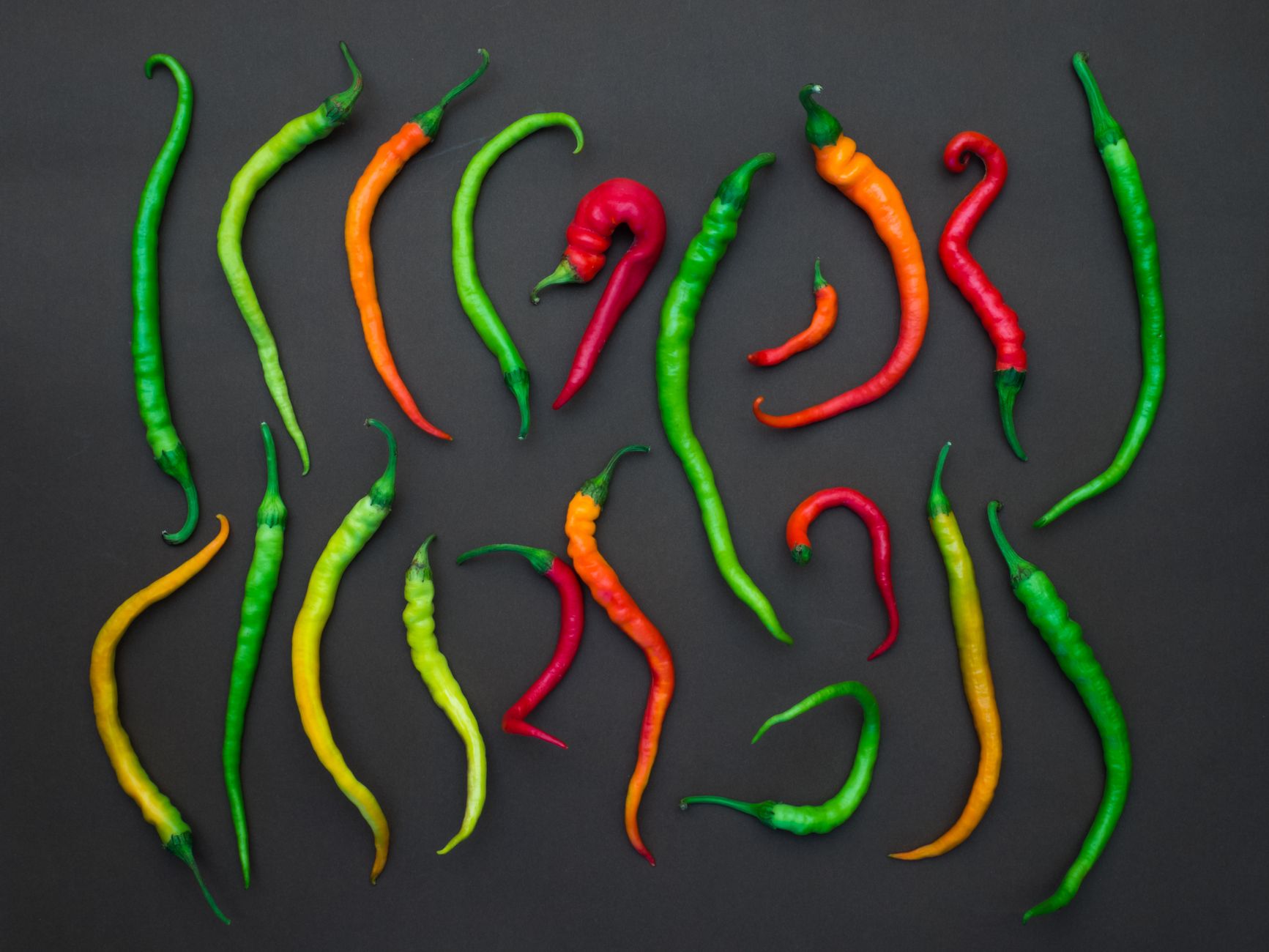
In addition, now that we know what industrial chili puree is, let’s talk about its most defining characteristic: heat! Not all chilies are created equal, and understanding their intensity is key to culinary success. The heat in chili peppers comes from capsaicinoids, a group of chemical compounds that bind to pain receptors in our mouths. The intensity of this sensation is measured using the Scoville Heat Unit (SHU) scale, a system developed by American pharmacist Wilbur Scoville in 1912.
The Scoville scale assigns a numerical rating to chili peppers based on the concentration of capsaicinoids. For example, a bell pepper has 0 SHU, while a jalapeño typically ranges from 2,500 to 8,000 SHU. Moving up the scale, a habanero boasts 100,000 to 350,000 SHU, and some of the world’s hottest chilies like the Ghost Pepper or Carolina Reaper can exceed 1 million SHU. This wide spectrum means manufacturers have incredible control over the heat profile of their products.
Manufacturers can strategically choose specific puree types based on the desired heat profile for their end products. For a mild salsa, a puree derived from Anaheim or poblano peppers might be ideal. For a fiery hot sauce, purees from Habanero or Scotch Bonnet chilies would be more appropriate. Al Fursan, as a supplier of industrial chili puree, understands this nuance and is equipped to provide purees across a wide SHU range, catering to diverse market demands and taste preferences in Egypt. This versatility ensures that the specific industrial chili puree uses can be perfectly tailored to any recipe.
“Understanding the Scoville scale isn’t just about making things hot; it’s about precision. For industrial food production, consistent heat means a consistent brand experience, which is invaluable,” explains Dr. Ahmed Hassan, a leading food scientist.
With a good grasp of heat levels, the possibilities for integrating industrial chili puree into your product line are truly boundless. Let’s explore the myriad applications!
Versatile Industrial Chili Puree Uses Across Food Manufacturing Sectors
Armed with an understanding of industrial chili puree’s definition and its diverse heat spectrum, the question becomes: where can it be used? The answer, delightfully, is almost everywhere! Egyptian food manufacturers are discovering that the industrial chili puree uses are remarkably extensive, offering a foundational ingredient for innovation across numerous product categories.
Industrial chili puree provides unparalleled versatility, making it a go-to for product developers. For instance, in the sauce and condiment sector, it’s indispensable for creating everything from fiery hot sauces, spicy marinades, and barbecue sauces to dynamic dipping sauces and salad dressings. Imagine crafting a new sriracha variant or a zesty harissa-inspired marinade with consistent heat and vibrant color every single batch.
Furthermore, the snack food industry benefits immensely. Think about flavored potato chips, extruded snacks, savory crackers, and even spicy nuts. Incorporating industrial chili puree into topical seasonings or directly into the dough or batter ensures an even distribution of heat and flavor that is difficult to achieve with dry spices alone. This leads to a superior, more consistent consumer experience.
In the expansive domain of processed meats and poultry products, this versatile ingredient is a game-changer. Manufacturers can develop spicy sausages, cured meats, deli slices, and even rubs for roasted chicken or beef. The liquid format of the puree allows for better absorption and flavor penetration, resulting in more impactful and authentic taste profiles.
The burgeoning ready meals and convenience food market also finds significant industrial chili puree uses. From adding a kick to pre-packaged stews and curries to flavoring savory pastries, rice dishes, and pasta sauces, the puree integrates seamlessly. Its consistent quality reduces the variables in large-scale production, ensuring that every ready meal offers the same delightful spice level.
Interestingly, industrial chili puree is even making inroads into less obvious sectors. The beverage industry is exploring spicy juices, craft beers, and even non-alcoholic sparkling drinks with a chili kick. Similarly, dairy alternatives and specialty cheeses can feature chili puree for flavored yogurts, dips, and spreads, catering to adventurous palates. The flexibility of industrial chili puree uses truly empowers manufacturers to explore new product frontiers.
“The consistent flavor and heat profile of industrial chili puree simplify our formulation process significantly. It’s a foundational ingredient that allows us to innovate rapidly without compromising on quality or consumer expectations.” – Dr. Ahmed Soliman, Head of R&D at Egyptian Foods Co.
Ultimately, whether it’s enhancing a traditional dish or creating an entirely new product, industrial chili puree offers consistent flavor, vibrant color, and desirable texture, far surpassing the variability of fresh or dried chilies. Its ease of integration into existing production lines, often requiring minimal adjustments, makes it an incredibly attractive option for manufacturers seeking efficiency and new product development opportunities. Beyond simply adding a kick, industrial chili puree brings a host of functional advantages that can revolutionize your product formulations. Let’s delve into those deeper benefits.
Beyond Flavor: Functional Benefits of Industrial Chili Puree
While the delicious heat and vibrant color that industrial chili puree brings are undeniable, its advantages extend far beyond mere flavor. Manufacturers can unlock a host of functional benefits that streamline production and enhance product quality significantly. This makes the range of industrial chili puree uses even more compelling.[2]
Firstly, the natural compounds in chili, particularly capsaicin, offer inherent natural preservative properties. While not a standalone preservative, its presence can contribute to extending the shelf life of certain food products by inhibiting the growth of some microorganisms. This can be a valuable asset in clean-label initiatives, reducing the reliance on artificial additives.
Secondly, industrial chili puree serves as an excellent natural coloring agent. The vibrant reds and oranges derived from the chili flesh can enhance the visual appeal of dishes, making them more appetizing without the need for synthetic food colorings. This aligns perfectly with consumer demand for natural and wholesome ingredients.
Moreover, chili puree distinctly contributes to mouthfeel enhancement and texture contribution. Unlike dry powders, the puree adds a subtle body and viscosity to products, which can improve the overall eating experience. In sauces and dips, for example, it contributes to a smoother, richer texture that complements the flavor profile, adding to the perceived quality.
From an operational standpoint, industrial chili puree dramatically improves cost-effectiveness and reduces labor compared to fresh chilies. Imagine eliminating the need for washing, chopping, deseeding, and pureeing mountains of fresh chilies – a process that is time-consuming, labor-intensive, and inconsistent. The ready-to-use puree drastically cuts down on preparation time and associated labor costs. This efficiency directly impacts the bottom line and frees up valuable resources.
For example, consider the processing steps for fresh chilies:
- Sourcing and inspection of raw chilies (variable quality)
- Washing and cleaning to remove dirt and pesticides
- De-stemming and deseeding (manual labor, safety risk for workers)
- Chopping or grinding (equipment, energy, cleaning)
- Blanching or cooking (additional energy and process steps)
- Potential microbiological testing
Compare this to industrial chili puree, which arrives ready to incorporate, having already undergone stringent quality checks and processing. This leads directly to improved consistency in batches due to its standardized purity. Manufacturers can rely on a consistent heat level, color, and flavor profile from one shipment to the next, which is virtually impossible with fresh produce. This standardization is crucial for maintaining brand reputation and consumer trust.
To summarize the functional benefits of industrial chili puree uses:
- Natural Preservation: Capsaicin offers antimicrobial properties.
- Natural Colorant: Provides vibrant, appealing hues.
- Mouthfeel & Texture: Enhances body and richness in formulations.
- Cost-Effective: Reduces labor, waste, and processing time significantly.
- Consistent Quality: Standardized purity ensures batch-to-batch reliability.
To truly integrate this versatile ingredient into your operations, it’s essential to understand the technical details that ensure seamless processing and optimal product quality. Let’s delve into those deeper benefits, ensuring you maximize your industrial chili puree uses.
Technical Specifications: What Manufacturers Need to Know
To harness the full potential of industrial chili puree, a clear understanding of its technical specifications is absolutely essential. These details ensure that the puree seamlessly integrates into your production line and meets your product development goals efficiently. Knowing these specifications is key to maximizing the benefits of all industrial chili puree uses.
Several critical parameters define the quality and suitability of industrial chili puree for various applications. Firstly, manufacturers must consider Brix (sugar content), which indicates the percentage of soluble solids, primarily sugars, in the puree. This can impact the sweetness profile and contribution to total solids in a finished product. Secondly, pH levels are crucial for product stability, microbial control, and desired taste profile. A lower pH typically indicates higher acidity, which can be beneficial for shelf life and flavor development.
Furthermore, viscosity and particle size are vital for processing and final product texture. Viscosity, a measure of fluid’s resistance to flow, affects pumpability and mixing characteristics within your manufacturing setup. A puree that is too thick or too thin can cause production bottlenecks. Particle size, on the other hand, determines the mouthfeel and appearance of the finished product – a smooth sauce requires a finer particle size than a chunky salsa base. Al Fursan customizes these specifications to precise manufacturer needs.
Microbiological specifications are non-negotiable for food safety. Manufacturers should always review Certificates of Analysis (CoA) to ensure the puree meets strict standards for: Total Plate Count, Yeast and Mold, E. coli, Salmonella, and other pertinent pathogens. These tests confirm the puree’s safety and quality, ensuring it won’t introduce contaminants into your products. Reputable suppliers, like Al Fursan, provide comprehensive CoAs with every batch.
Understanding packaging formats and typical shelf life under specific storage conditions is also crucial for procurement and inventory management. Industrial chili puree is typically available in bulk formats such as aseptic bags-in-box, drums, or larger totes, ensuring extended shelf life without refrigeration until opening. Typical shelf life for aseptically packaged puree can range from 12 to 24 months when stored at cool, ambient temperatures. Once opened, refrigeration is usually required, and the product should be used within a defined period.
Here’s a quick reference on key technical specifications:
| Specification Parameter | Description | Importance for Manufacturers |
|---|---|---|
| Brix (%) | Soluble solids content (primarily sugars) | Impacts sweetness, total solids, and formulation balance. |
| pH Level | Measure of acidity/alkalinity | Critical for microbial stability, flavor profile, and preservation. |
| Viscosity | Resistance to flow | Affects pumpability, mixing, and desired texture in final product. |
| Particle Size | Fineness of grind | Determines mouthfeel, smoothness, and visual consistency. |
| Microbiological Limits | Absence/levels of pathogens (e.g., E. coli, Salmonella) | Ensures food safety and compliance with regulatory standards. |
| Scoville Heat Units (SHU) | Measure of pungency/heat | Essential for targeting specific heat levels in products. |
The importance of Certificates of Analysis (CoA) cannot be overstated. A CoA is a document issued by the supplier that certifies the product’s compliance with its specifications. It provides an independent verification of quality, safety, and purity, giving manufacturers peace of mind and supporting their own quality control processes. Of course, technical specifications are only part of the equation; ensuring the puree meets stringent food safety and compliance standards is paramount. Let’s explore Al Fursan’s commitment to quality for all industrial chili puree uses.
Food Safety and Compliance: Al Fursan’s Commitment to Quality (FSSC 22000, Halal, NFSA)
In today’s stringent food manufacturing environment, technical specifications alone are not enough. Food safety and compliance are non-negotiable, and manufacturers need partners they can trust implicitly. Recognizing this, Al Fursan has built its operations around the highest global and local standards, ensuring that every batch of industrial chili puree meets uncompromising safety and quality benchmarks. This commitment is paramount for any Egyptian food manufacturer exploring diverse industrial chili puree uses.
Foremost among these is our dedication to FSSC 22000 certification. This globally recognized Food Safety System Certification provides a robust framework for effectively managing our food safety responsibilities. It integrates ISO 22000 with additional prerequisite programs, offering comprehensive coverage of all stages of our chili puree production. For our partners, this means peace of mind, knowing that Al Fursan adheres to an internationally audited and verified system designed to prevent food safety incidents.[3]
Furthermore, Al Fursan understands the critical importance of Halal certification for the Egyptian market and the broader Islamic world. Our production processes are meticulously scrutinized and certified to meet Halal requirements, guaranteeing that our industrial chili puree is permissible and prepared according to Islamic dietary laws. This certification significantly broadens the scope of industrial chili puree uses for manufacturers targeting this extensive consumer base, providing a competitive edge and market access.
Beyond international standards, Al Fursan is fully compliant with local National Food Safety Authority (NFSA) regulations in Egypt. This ensures that our products seamlessly integrate into the local supply chain and meet all national legal requirements. Our robust quality control measures extend to rigorous testing protocols during every stage of production, including raw material inspection, in-process monitoring, and final product analysis. We use advanced laboratories to test for microbiological contaminants, heavy metals, pesticides, and other critical parameters, cementing our reputation for safety and reliability.
“In the food industry, trust is the ultimate currency. Our multi-layered approach to certification and compliance ensures that our clients can confidently integrate our industrial chili puree into their products, knowing they are backed by the highest food safety standards from farm to facility.” – Al Fursan Quality Assurance Director.
Ensuring a consistently high-quality, compliant product is only half the battle; getting it to your facility efficiently and reliably is just as crucial. Now, let’s talk about simplified logistics.
Streamlined Supply Chain: A Partner in Export Logistics for the Egyptian Market
Having established top-tier product quality and unwavering commitment to safety, the next vital link in the chain is getting that perfect puree to your facility, precisely when and where you need it. Al Fursan prides itself on a streamlined supply chain specifically optimized for efficient export logistics to the Egyptian market, ensuring that the vast potential of industrial chili puree uses is readily accessible.
Our comprehensive logistics network is designed to provide reliable delivery with reduced lead times. We leverage strategic partnerships with shipping lines and freight forwarders, optimizing routes and transit times to minimize delays and costs for our clients. This efficiency translates into direct benefits for Egyptian food manufacturers:
- Reduced Inventory Holding Costs: Predictable delivery schedules mean manufacturers can maintain leaner inventories, freeing up capital and warehouse space.
- Lower Shipping Expenses: Through optimized container utilization and consolidated shipments, we strive to offer cost-effective shipping solutions.
- Consistent Production Flow: Reliable supply ensures that your production lines run without interruption, maximizing efficiency and output for all your industrial chili puree uses.
We provide comprehensive support for customs clearance, navigating the complexities of international trade documentation to ensure a hassle-free import process into Egypt. Our dedicated logistics team handles all necessary paperwork, duties, and regulations, significantly easing the burden on our clients. Furthermore, we offer various warehousing and inventory management solutions, including options for staggered deliveries to match your specific production needs. Al Fursan acts as a true partner, ensuring a continuous and dependable flow of high-quality industrial chili puree to your facility.
While our streamlined supply chain ensures you receive standard products efficiently, we understand that every manufacturer has unique needs. Let’s explore how we can tailor solutions just for you.
Customization and Partnership: Tailoring Chili Puree Solutions with Al Fursan
While a streamlined supply chain ensures consistent delivery of our high-quality purees, we recognize that ‘one size fits all’ rarely applies in the innovative world of food manufacturing. That’s why customization is at the heart of our partnership approach. Al Fursan offers a versatile platform for Egyptian food manufacturers to explore bespoke industrial chili puree uses, tailoring products to meet precise specifications.
Our R&D team works collaboratively with clients to develop custom chili puree blends. Whether you require a specific chili variety for a nuanced flavor profile, a precise heat level (Scoville Heat Units), or particular Brix, pH, or salt content, we have the expertise and capabilities to formulate it. For example, a manufacturer creating a traditional Egyptian ‘shatta’ sauce might need a specific blend of red chilies with a higher salt content and specific Brix, which we can develop. Similarly, for snack manufacturers, a puree with a finer consistency might be preferred for even coating. The possibilities for unique industrial chili puree uses are vast, limited only by imagination.
Beyond product formulation, Al Fursan also offers private labeling options and bespoke packaging solutions. If you wish to market the puree under your own brand or require specific packaging sizes or types to integrate seamlessly into your production line, we can accommodate these requests. This level of flexibility allows our partners to differentiate their products in the market and maintain brand identity.
We believe in collaborative product development. Our technical experts can assist your product development teams in experimenting with different industrial chili puree uses, conducting trials, and refining formulations to achieve optimal results. This partnership approach ensures that the final product not only meets your technical requirements but also delights your end consumers.
These tailored solutions bring with them more than just product innovation; they offer significant financial advantages. Let’s crunch the numbers and look at the true return on investment.
ROI Analysis: The True Cost-Effectiveness of Industrial Chili Puree
You might be thinking: ‘Customization sounds great, but what about the bottom line?’ The truth is, investing in high-quality industrial chili puree, especially tailored solutions, offers a compelling return on investment (ROI) for Egyptian food manufacturers. When evaluating the total cost of ownership, the comprehensive benefits far outweigh the initial perception of fresh chili or powder alternatives, particularly across various industrial chili puree uses.
Consider the significant cost savings achieved by eliminating the need for vast storage space for fresh chilies, along with their high rates of spoilage and waste. Fresh chilies require labor-intensive washing, destemming, and processing, all of which incur direct labor costs, equipment maintenance, and associated utilities. Industrial chili puree, being ready-to-use, eliminates these hidden expenses. A study by the USDA estimated post-harvest losses for fresh produce, including peppers, can be as high as 20-30% before even reaching the processing stage. By switching to puree, these losses are virtually eliminated.
Furthermore, industrial chili puree offers predictable pricing and budget stability. Unlike fresh chili prices, which can fluctuate wildly due to seasonality, weather conditions, and market demand, standardized puree contracts provide a more stable cost basis. This allows manufacturers to hedge against commodity price fluctuations, enabling more accurate long-term financial planning and preventing unexpected cost escalations that can impact profitability across diverse industrial chili puree uses.[4]
Table 1: Cost Comparison of Chili Forms (Simplified Example per 1000kg Equivalent)
| Factor | Fresh Chillies | Chili Powder | Industrial Chili Puree |
|---|---|---|---|
| Raw Material Cost Fluctuation | High (Seasonal) | Moderate | Low (Contracted) |
| Labor (Processing & Prep) | High | Low (Reconstitution) | Very Low (Ready-to-Use) |
| Waste/Spoilage (% of Volume) | ~20-30% | ~5% | <1% |
| Storage Requirements | Refrigerated, Bulk (Short Shelf Life) | Dry, Ambient (Medium Shelf Life) | Ambient, Aseptic (Long Shelf Life) |
| Equipment Needed | Washing, Chopping, Grinding, Pulping | Mixing, Reconstitution | Minimal (Direct Integration) |
| Consistency (Batch to Batch) | Low | Moderate | High |
The consistent quality of Al Fursan’s industrial chili puree translates directly into fewer batch rejections, faster production cycles, and ultimately, increased market appeal due to uniform product excellence. The aseptic packaging and long shelf life further reduce inventory risk and allow for flexible production scheduling. According to a report by Accenture, companies that invest in supply chain optimization can see up to a 15% reduction in operating costs and a 5% increase in revenue. These figures underline the strategic advantages of incorporating quality industrial chili puree into your operations. [Source: Accenture]
This financial advantage also aligns with a growing global imperative: sustainability. Let’s explore how industrial chili puree contributes to responsible practices.
Sustainability and Responsible Sourcing of Chili Puree
In an era where consumers and regulators alike demand greater transparency, financial sensibility must walk hand-in-hand with environmental and social responsibility. Industrial chili puree, when sourced ethically, offers a path to genuine sustainability that benefits both the planet and people. By choosing a responsible supplier like Al Fursan, Egyptian food manufacturers can enhance the sustainability profile of their diverse industrial chili puree uses.
Al Fursan is committed to fostering sustainable farming practices among its chili growers. This includes promoting water-efficient irrigation, responsible pesticide use (or organic alternatives), and soil health management. By working closely with our farming partners, we ensure that the environmental impact of chili cultivation is minimized. This collaborative approach not only benefits the environment but also supports the livelihoods of local farming communities, creating a more resilient and responsible supply chain.
Our commitment extends to fair labor practices and ethical sourcing initiatives. We ensure that all workers involved in the cultivation and processing of our chilies receive fair wages and work in safe and healthy conditions. This adherence to social responsibility is a cornerstone of our operations, building trust not only within our supply chain but also with socially conscious consumers who value ethical products.
Perhaps one of the most significant environmental benefits of industrial chili puree over fresh chilies is the drastic reduction in food waste. As mentioned earlier, fresh chilies are prone to spoilage and significant waste during transportation, storage, and processing. Industrial chili puree, with its extended shelf life (especially when aseptically packaged) and full utilization of the crop during processing, virtually eliminates this waste. For instance, UNICEF estimates that a staggering 30-50% of food produced globally is wasted, a significant portion of which is fresh produce. The shift to processed formats like puree directly combats this issue. [Source: UNICEF]
Moreover, the highly concentrated nature of chili puree means that a smaller volume needs to be transported compared to an equivalent amount of fresh chilies. This efficiency in transportation leads to a reduced carbon footprint, as fewer vehicles are needed, or existing vehicles can carry more product per trip. This aligns perfectly with corporate environmental goals and appeals to the growing segment of environmentally aware consumers who seek out products with a lower ecological impact. The extensive range of industrial chili puree uses can truly be sustainable uses.
Responding to conscious consumers and their preference for sustainable, flavorful products means staying ahead of market trends. Let’s analyze what’s hot in the world of spicy food.
Market Trends: Capitalizing on the Demand for Spicy Flavors with Industrial Chili Puree Uses
With a strong foundation in quality, safety, and sustainability, food manufacturers are perfectly positioned to capitalize on one of the most exciting movements in the culinary world: the booming demand for spicy flavors. Globally, the market for spices and seasonings, heavily influenced by chili, is projected to reach over $30 billion by 2027. This isn’t just a global phenomenon; Egyptian consumers are also increasingly embracing heat in their diets, from traditional dishes to modern snacks. Therefore, understanding the market dynamics and strategically utilizing industrial chili puree uses can give manufacturers a significant competitive edge.
Crucially, this trend is driven by diverse demographics, particularly younger generations. Gen Z and millennials are adventurous eaters, constantly seeking new and exotic taste experiences. They are more open to exploring international cuisines and bold flavor profiles. This demographic shift presents a golden opportunity for food manufacturers to innovate. For instance, incorporating a consistent, high-quality chili puree allows for the creation of fusion cuisines, global-inspired sauces, and savory snacks that cater to these dynamic palates. The perceived health benefits of capsaicin, the active component in chilies, such as its anti-inflammatory properties, also resonate with health-conscious consumers, further fueling demand for spicy options.
Moreover, the versatility of industrial chili puree uses facilitates rapid product development. Instead of lengthy processes involving fresh chilies, manufacturers can quickly integrate puree into various formulations, testing new concepts and accelerating their time to market. This agility is vital in a fast-paced market where consumer preferences can shift rapidly. By leveraging chili puree, brands can launch innovative products, from spicy yogurts and cheeses to chili-infused beverages and baked goods, meeting the evolving tastes of the Egyptian consumer base.
“The modern consumer craves excitement and authenticity in their food. Industrial chili puree provides the ideal platform for manufacturers to deliver both, offering consistent heat and flavor that resonates with current market trends across all age groups.” – Dr. Ahmed Soliman, Food Innovation Specialist.
This financial advantage also aligns with a growing global imperative: sustainability. Let’s explore how industrial chili puree contributes to responsible practices.
Traceability from Farm to Drum: Ensuring Quality and Origin
In an increasingly complex food system, consumers and manufacturers alike demand reassurance about what goes into their products. For Al Fursan, this means providing complete traceability, right from the farm to your drum of chili puree. Transparency in sourcing has become a non-negotiable aspect of modern food production, impacting brand perception and consumer trust. Our robust traceability system ensures that every batch of industrial chili puree uses raw materials whose journey can be meticulously tracked.
Specifically, Al Fursan employs a comprehensive system for tracking the origin of our chilies. This includes detailing the exact grower, the region of cultivation, and the precise harvest date. This granular level of information is critical for several reasons. Firstly, it supports stringent quality control, allowing us to monitor and maintain the superior standard of our raw ingredients. Secondly, it is fundamental to food safety, enabling quick identification and isolation of any potential issues, thereby safeguarding the end product.[5]
Furthermore, traceability underpins sustainability claims. By knowing our farmers and their practices, we can ensure that our sourcing is not only ethical but also environmentally responsible. The World Health Organization emphasizes food safety as a global priority, and traceability is a cornerstone of this effort. Manufacturers partnering with Al Fursan can, in turn, provide their consumers with verifiable assurances about the provenance and quality of their ingredients, enhancing brand reputation and meeting increasingly strict regulatory requirements.
This rigorous oversight ensures consistency before the puree even reaches its final packaging, which itself plays a crucial role in maintaining quality for industrial use. Let’s look at aseptic packaging.
The Aseptic Advantage: Packaging Chili Puree for Industrial Scale
With meticulous traceability ensuring the quality of our chilies long before processing, the next critical step for industrial application is how that quality is preserved and delivered to you. Aseptic packaging represents a significant leap forward in food preservation technology, making industrial chili puree uses incredibly efficient and safe for large-scale operations. This advanced method involves sterilizing the product and the packaging separately, then filling the product into the sterilized container in a sterile environment.
The benefits of this process are extensive for food manufacturers. Firstly, aseptic packaging extends the shelf life of the chili puree significantly, often for many months, without requiring refrigeration until the package is opened. This dramatically reduces cold storage needs, offering substantial operational cost savings and greater logistical flexibility. Secondly, it ensures the retention of the chili’s natural color, flavor, and nutritional integrity, as heat treatment is applied quickly and uniformly. Thirdly, and perhaps most importantly for food safety, aseptic processing effectively prevents microbiological growth without the need for chemical preservatives, aligning with consumer demand for natural ingredients.
For large-scale operations, the convenience and efficiency are unparalleled. Puree is typically supplied in industrial-sized containers such as drums (e.g., 200 kg) or bag-in-box formats, which are designed for seamless integration into automated production lines. This ensures unparalleled batch consistency, minimizing variations that can plague products using less stable chili forms. The long ambient shelf life means manufacturers can manage inventory more effectively, reducing waste and ensuring a ready supply for continuous production without the pressures of immediate use.
Industrial Chili Puree vs. Fresh Chillies vs. Powder: A Comparative Analysis
We’ve delved into the intricacies of industrial chili puree, but how does it stack up against its common counterparts: fresh chilies and chili powder? The differences are significant, particularly for food manufacturers evaluating industrial chili puree uses. A clear comparison reveals why puree is often the superior choice for modern production.
| Feature | Fresh Chilies | Chili Powder | Industrial Chili Puree |
|---|---|---|---|
| Consistency (Flavor, Heat, Color, Texture) | Highly variable (seasonal, farm-specific) | Moderate (can vary based on grind & blend) | Excellent (standardized process) |
| Shelf Life & Storage | Short (requires refrigeration, spoils quickly) | Long (ambient, but can lose potency) | Very Long (aseptic, ambient until opened) |
| Food Safety & Microbiology | High risk (handling, washing, pathogens) | Moderate (potential for microbial contamination) | Very Low Risk (sterile process) |
| Labor/Processing Requirements | Very High (washing, chopping, deseeding) | Low (direct addition) | Very Low (ready-to-use) |
| Cost-effectiveness (Long-term) | High (waste, labor, spoilage) | Moderate | High (reduced waste, labor, consistent quality) |
| Versatility | High (can be used fresh, cooked) | High (dry applications, sauces) | Excellent (wide range of applications) |
| Waste Reduction | Very High (stems, seeds, spoilage) | Low (some packaging waste) | Very Low (minimal processing waste, full utilization) |
It’s clear from this comparison that while fresh chilies offer a raw experience and powders provide dry convenience, industrial chili puree uses stand out for their unparalleled consistency, extended shelf life, and superior food safety profile. This translates directly to reduced operational costs and increased product reliability for manufacturers. The benefits of puree far outweigh those of its counterparts when considering industrial-scale application.
Having understood its superior advantages, industrial chili puree isn’t just an alternative; it’s a catalyst for new creations. Let’s talk about unlocking innovation.
Innovation and New Product Development with Industrial Chili Puree
Having clearly established the superior advantages of industrial chili puree uses over other forms, the question shifts from ‘why use it?’ to ‘what new possibilities does it unlock?’ The answer lies in boundless innovation and new product development. The consistent quality, varied heat levels, and functional properties of puree make it an ideal foundation for creating exciting new products that capture consumer attention and satisfy evolving tastes.
Here’s how industrial chili puree acts as a catalyst for innovation:
- Consistent Foundation for R&D: Puree eliminates the variability inherent in fresh chilies, ensuring that every R&D batch delivers predictable flavor and heat. This significantly streamlines the development process, allowing formulators to focus on creativity rather than ingredient inconsistencies.
- Diverse Product Applications: The versatility of industrial chili puree uses allows for its incorporation into a vast array of product categories, broadening the scope for innovation:
- Snacks: Chili-infused crisps, puffed snacks, and savory crackers.
- Dairy & Alternatives: Spicy yogurts, flavored cheeses, and plant-based savory dips.
- Sauces & Condiments: Custom hot sauces, marinade bases, and spicy ketchup variations.
- Ready Meals & Processed Meats: Flavorful components for ready-to-eat meals, sausages, and deli meats.
- Beverages: Craft beer, savory cocktails, and artisanal spicy juices.
- Speed to Market: With a ready-to-use ingredient, manufacturers can significantly reduce the time from concept to launch. This agility is crucial in today’s competitive market, allowing businesses to capitalize on fleeting trends and respond quickly to consumer demand.
- Global Flavor Exploration: Puree facilitates the creation of authentic ethnic flavor adaptations, from Egyptian-inspired spicy dishes to globally trending Korean gochujang or Thai Sriracha profiles, without the need for sourcing and processing exotic fresh chilies.
- Collaboration with Experts: Al Fursan actively encourages collaboration with manufacturers’ R&D teams. Our expertise in chili processing and flavor profiles can help tailor bespoke chili puree solutions, perfectly matched to specific product requirements and innovative concepts.
As we’ve seen, industrial chili puree is much more than just a spicy ingredient; it’s a strategic asset for modern food manufacturers. Let’s wrap up our journey with a concise summary.
Conclusion: Elevate Your Products with Consistent, High-Quality Industrial Chili Puree
We’ve journeyed through the dynamic world of industrial hot chili puree, exploring its immense potential. It’s clear that this versatile ingredient is not just an option, but a strategic imperative for forward-thinking Egyptian food manufacturers. From its consistent heat and flavor profiles to its functional benefits and robust traceability, the advantages of integrating industrial chili puree uses into your production are compelling. It offers a solution to the challenges of traditional chili forms, ensuring food safety, streamlining operations, and unlocking innovative product development.
Al Fursan stands as a trusted partner, committed to delivering high-quality, compliant, and cost-effective chili puree solutions. Our dedication to FSSC 22000, Halal certification, and NFSA standards guarantees a product you can rely on, backed by a streamlined supply chain and personalized customization options. By choosing industrial chili puree, manufacturers can reduce waste, stabilize costs, and respond efficiently to the booming market demand for spicy foods.
Embrace the future of flavor and efficiency. Elevate your product lines, delight your consumers, and achieve greater operational excellence with Al Fursan’s premium industrial chili puree uses. We invite all Egyptian food manufacturers to explore how this game-changing ingredient can transform their offerings and secure their position in a competitive market.
To help you quickly recap the most vital insights from this extensive guide, we’ve prepared a concise list of key takeaways.
Key Takeaways: Why Industrial Chili Puree is Essential for Modern Food Manufacturing
To distill the essence of our discussion, here are the core reasons why embracing industrial chili puree uses is a pivotal choice for your food manufacturing operations:[6]
- Superior Consistency: Guarantees uniform flavor, heat, and color in every batch, eliminating variability inherent in fresh chilies.
- Extended Shelf Life & Convenience: Aseptic packaging allows for long ambient storage, reducing refrigeration costs and inventory management complexities.
- Reduced Operational Costs: Minimizes labor, waste, and processing equipment needs compared to fresh chili handling.
- Enhanced Food Safety: Sterile processing prevents microbial contamination, aligning with stringent food safety standards.
- Unmatched Versatility: Integrates seamlessly into a vast array of food products, from sauces and snacks to dairy and beverages.
- Innovation Potential: Provides a stable and reliable base for rapid new product development and exploration of global flavor trends.
- Traceability & Transparency: Al Fursan offers complete farm-to-drum traceability, ensuring quality, ethical sourcing, and regulatory compliance.
- Cost-Effectiveness: Offers predictable pricing and long-term savings by reducing spoilage and maintaining consistent product quality.
- Sustainability: Contributes to reduced waste and supports responsible sourcing practices.
- Al Fursan’s Reliability: Partner with a trusted supplier committed to FSSC 22000, Halal, and NFSA standards, offering customization and robust logistics.
We understand you might still have some specific questions, and we’re here to answer them! Let’s address some frequently asked questions.
Frequently Asked Questions (FAQs) About Industrial Chili Puree Uses
Even after such a detailed exploration, it’s natural to have questions! To provide a complete resource, we’ve compiled answers to some of the most frequently asked questions about industrial chili puree uses and its applications. These FAQs aim to address common practical concerns from food manufacturers.
-
What is the typical shelf life of Al Fursan’s industrial chili puree?
Al Fursan’s industrial chili puree, when supplied in aseptic packaging, boasts an impressive shelf life of up to 18-24 months at ambient temperature. This significantly reduces storage complexities and waste compared to fresh chilies.
-
How do I incorporate industrial chili puree into my existing product formulations?
Its paste-like consistency makes it incredibly easy to integrate. Food manufacturers can simply blend it directly into sauces, marinades, soups, or dry mixes. Our technical team can also provide guidance on specific formulations to achieve desired flavor and heat profiles.
-
Can industrial chili puree be used in organic or ‘clean label’ products?
Absolutely. Al Fursan offers a range of purees derived from 100% natural chilies, with no artificial additives, making them suitable for organic and clean label applications. Always check specific product certifications for full compliance.
-
What volumes of industrial chili puree are typically available for purchase?
We cater to a wide range of production scales, offering industrial chili puree uses in various bulk packaging solutions, from 200kg aseptic drums to larger industrial totes. We are flexible to meet diverse manufacturing needs.
-
Is custom heat intensity or chili variety available?
Yes, Al Fursan prides itself on offering customizable solutions. We can work with you to develop purees from specific chili varieties or blend them to achieve precise Scoville Heat Unit (SHU) levels tailored to your product requirements. Our team of experts is ready to assist with product development.
“Embracing industrial chili puree is not just about adding heat; it’s about adding consistency, efficiency, and safety to your product line, unlocking new avenues for culinary innovation.” – Dr. Ahmed Soliman, Head of Food Science, Egyptian Institute of Food Technology.
We hope this comprehensive guide has illuminated the incredible potential of industrial hot chili puree for your manufacturing needs. Don’t hesitate to reach out to Al Fursan for further assistance or to discuss your specific requirements!
Conclusion
Industrial chili puree proves to be an exceptionally versatile and indispensable ingredient for modern food manufacturing. Its applications span across diverse product categories, from enhancing sauces and marinades to elevating the flavor profile of snacks, ready meals, and even beverages. The ability to deliver consistent heat, vibrant color, and complex flavor notes makes it a superior choice for achieving product differentiation and meeting evolving consumer demands for bolder tastes. By incorporating industrial chili puree, manufacturers can streamline their processes, ensure product uniformity, and innovate with greater efficiency. Explore how this dynamic ingredient can transform your product line and captivate palates worldwide.
FAQ
- What are the primary industrial chili puree uses?
- Industrial chili puree is primarily used in sauces, marinades, condiments, processed meats, snack foods, ready meals, and various spice blends.
- How does industrial chili puree differ from fresh chilies in manufacturing?
- Puree offers significant advantages in consistency, shelf-life, ease of handling, and microbiological safety compared to fresh chilies, leading to more uniform end products.
- Can industrial chili puree be customized for different heat levels?
- Yes, manufacturers can typically source chili purees with various Scoville heat unit (SHU) ratings, allowing for precise control over the pungency of their products.
- Is industrial chili puree considered a clean label ingredient?
- Often, yes. Many purees are made solely from chilies, water, and sometimes a natural acidifier, aligning with clean label requirements if no artificial additives are present.
- What are the shelf-life considerations for industrial chili puree?
- Industrial chili puree generally has a longer shelf-life than fresh chilies, especially when properly pasteurized, aseptically packaged, and stored according to specifications, usually refrigerated or frozen.
- How does industrial chili puree contribute to cost-effectiveness?
- It reduces labor costs associated with washing, chopping, and processing fresh chilies, minimizes waste, and offers consistent pricing, contributing to overall production efficiency and cost savings.
- Are there organic or ethically sourced options available for industrial chili puree?
- Yes, many suppliers offer organic, non-GMO, and ethically sourced industrial chili purees to meet specific market demands and corporate sustainability goals.