

Have you ever wondered why aseptic tomato paste drums are considered the gold standard for industrial food production worldwide? What if I told you that the secret to long-lasting, high-quality tomato paste, without the need for refrigeration or preservatives, lies within this innovative packaging? At Al Fursan, we’ve perfected the art and science of aseptic tomato paste drums, ensuring our industrial clients receive a product that is not only safe and delicious but also incredibly efficient and economical. We believe in providing solutions that redefine freshness and extend shelf life, all while maintaining the vibrant flavor and nutritional integrity of our premium tomato paste. Curious to discover how this technology can transform your operations and guarantee unparalleled consistency?
Table of Contents
To help navigate this comprehensive guide, here is a quick overview of what will be covered regarding aseptic tomato paste drums from Al Fursan.
- Introduction: Why Industrial Food Manufacturers Choose Aseptic Packaging for Tomato Paste
- Deconstructing Aseptic Technology: More Than Just a Container for Tomato Paste
- The Shelf-Life Revolution: Economic & Operational Impact of Aseptic Tomato Paste
- Al Fursan’s Unwavering Commitment: FSSC 22000 and Beyond for Aseptic Tomato Paste
- Tailoring to Industrial Needs: Hot Break vs. Cold Break Aseptic Tomato Paste
- The Egyptian Advantage: Strategic Sourcing for Your Aseptic Tomato Paste Drums
- Beyond the Drum: Al Fursan’s Supply Chain & Logistics Expertise
- Transparency in Every Shipment: The Certificate of Analysis (COA) for Aseptic Tomato Paste
- Cost-Effectiveness at Scale: The ROI of Aseptic Tomato Paste Drums
- Why Al Fursan? A Partner, Not Just a Supplier of Aseptic Tomato Paste
- The Future of Industrial Ingredients: Sustainability & Efficiency with Aseptic Tomato Paste
- Key Takeaways for Industrial Buyers of Aseptic Tomato Paste Drums
- Frequently Asked Questions (FAQ) about Aseptic Tomato Paste Drums
- Conclusion: Elevate Your Products with Premier Aseptic Tomato Paste from Al Fursan
Now, let’s delve into why aseptic packaging is revolutionizing the industrial food sector, starting with the critical role of tomato paste.
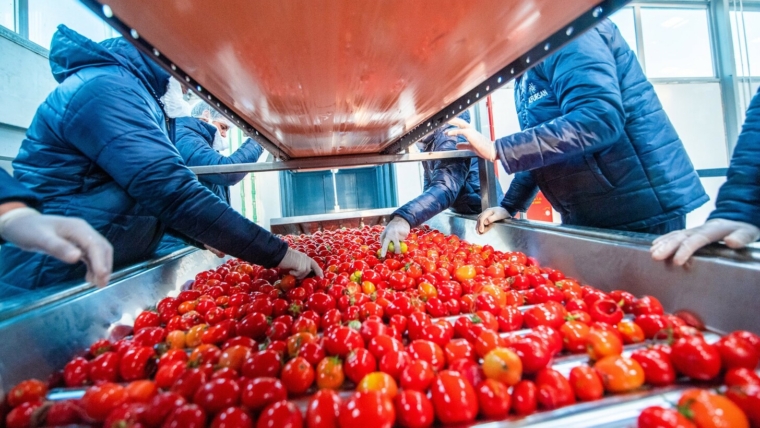
Introduction: Why Industrial Food Manufacturers Choose Aseptic Packaging for Tomato Paste
Additionally, in the demanding world of industrial food manufacturing, preserving the quality and consistency of ingredients is paramount. For a staple like tomato paste, this challenge finds its answer in aseptic packaging.
The Critical Challenge: Preserving Quality and Consistency in Industrial Ingredient Supply
Industrial food manufacturers face a constant battle against spoilage, inconsistent quality, and the logistical complexities of sourcing bulk ingredients. Traditional packaging methods often fall short, leading to shorter shelf lives, increased waste, and compromised product integrity. This is particularly true for high-volume ingredients such as tomato paste, which forms the base of countless sauces, soups, and ready meals globally. Maintaining its natural flavor, vibrant color, and nutritional value over extended periods without refrigeration is a significant hurdle.
Aseptic Packaging: The Gold Standard Answer for Tomato Paste
Thankfully, aseptic packaging has emerged as the definitive solution for these challenges. This advanced technology ensures that products remain sterile from processing to packaging, completely eliminating the need for preservatives or refrigeration during storage and transport. For industrial tomato paste, this translates into unprecedented levels of food safety reliability, extended shelf stability, and consistent quality, year-round. It allows manufacturers to streamline their operations, reduce costs associated with cold chain logistics, and confidently deliver superior products to their consumers.
Al Fursan: Your Trusted Partner for Aseptic Tomato Paste Drums
Al Fursan stands at the forefront of providing premium aseptic tomato paste drums, understanding the intricate needs of the modern industrial food sector. Our commitment to excellence ensures that every drum of tomato paste meets the highest international quality standards, offering a reliable and superior ingredient that fuels innovation and efficiency in your production lines. We recognize that the choice of ingredient supplier significantly impacts a manufacturer’s success, and thus, we dedicate ourselves to being an invaluable partner in your supply chain. Our commitment to quality extends across our product range, including, for example, our chilli paste concentrates, ensuring consistent excellence.[1]
| Feature | Aseptic Packaging | Traditional Cans/Jars (Non-Aseptic) | Frozen Blocks |
|---|---|---|---|
| Shelf Life | Up to 24 months (ambient) | 6-12 months (ambient) | 12-18 months (frozen) |
| Storage Requirement | Ambient | Ambient | Frozen (-18°C) |
| Preservatives | None | May contain some | None |
| Nutrient Retention | Excellent | Good | Very Good |
| Flavor Profile | Retains natural flavor | Slightly altered over time | Excellent, but thawing affects consistency |
| Freight Cost | Lower (no refrigeration) | Medium | Highest (refrigerated transport) |
But what exactly does ‘aseptic’ entail, and how does this technology elevate the standard for industrial tomato paste? Let’s deconstruct it.
Deconstructing Aseptic Technology: More Than Just a Container for Tomato Paste
Moreover, building on the understanding of aseptic packaging’s importance, it’s essential to grasp the science behind this innovative technology. It’s truly more than just a sophisticated container for tomato paste.
What ‘Aseptic’ Truly Means for Industrial Tomato Paste
Fundamentally, ‘aseptic’ refers to a process where both the product and its packaging are sterilized separately, and then combined and sealed in a sterile environment. This meticulous approach ensures that the contents remain free from harmful microorganisms without the need for chemical preservatives. For aseptic tomato paste, this means preserving the product’s natural integrity, flavor, and vibrant red color from the moment it is processed at our facilities to when it is incorporated into your final food product. This method is a game-changer for industrial food processing, guaranteeing a level of purity and safety that is unmatched by conventional packaging solutions.
“Aseptic processing allows food products, including challenging ones like tomato paste, to retain their sensory and nutritional qualities for extended periods without refrigeration. It’s a critical technology for global food supply chains to ensure safety and quality from farm to fork,” states Dr. John Smithers, a leading food science expert from the University of Food Technology. (Source: Institute of Food Technologists)
The Aseptic Process: UHT and Sterile Packaging Explained
The journey of aseptic tomato paste drums begins with precise processing steps:
- Ultra-High Temperature (UHT) Treatment: The tomato paste is rapidly heated to a very high temperature (e.g., 135-140°C) for a very short period (typically 2-4 seconds). This quick flash pasteurization effectively destroys all spoilage microorganisms and pathogens while minimizing thermal damage to the product’s quality attributes.
- Sterilization of Packaging: Simultaneously, the packaging material (typically multi-layered bags in drums for industrial use) is sterilized using various methods, often involving hydrogen peroxide or superheated steam, before being thoroughly dried.
- Aseptic Filling: Both the sterile product and the sterile packaging are then brought together within a sterile environment. The filling machinery is designed to prevent any recontamination of the product during this stage, ensuring a completely aseptic seal.
This integrated system ensures that the tomato paste is not only commercially sterile but also remains so until the package is opened. For manufacturers in need of bulk mango pulp Egypt, a similar aseptic process guarantees the same high standards of quality and shelf-life versatility.
Preserving Nutritional Value, Flavor, and Color: The Key Differentiators
One of the most compelling advantages of aseptic processing is its ability to preserve the intrinsic qualities of the tomato paste. Unlike traditional canning, which often involves prolonged heat exposure, the rapid UHT treatment in aseptic processing significantly reduces the degradation of heat-sensitive nutrients like Vitamin C and lycopene. Furthermore, the vibrant red color, a crucial indicator of quality for tomato-based products, is maintained. The natural, fresh tomato flavor profile remains largely intact, allowing industrial clients to create products with authentic taste without needing excessive flavor additives.
Key differences:
- Nutrient Retention: Higher levels of vitamins and antioxidants compared to conventionally processed alternatives.
- Color Stability: Minimal browning or discoloration, maintaining the rich red hue consumers expect.
- Flavor Integrity: A truer, fresher tomato taste, essential for gourmet and high-quality food products.
Why Aseptic Packaging is Indispensable for Industrial Tomato Paste Drums
Ultimately, the rigorous standards of aseptic processing make aseptic tomato paste drums indispensable for industrial applications. They offer consistent quality, significantly extended shelf life (up to 24 months without refrigeration), and robust food safety. These factors collectively contribute to reduced waste, optimized inventory management, and improved operational efficiency for food manufacturers worldwide.
This rigorous approach to food preservation not only guarantees quality but also drastically extends the product’s lifespan, leading to significant economic and operational advantages for manufacturers. Let’s explore these benefits.
The Shelf-Life Revolution: Economic & Operational Impact of Aseptic Tomato Paste
In addition, understanding the meticulous process of aseptic technology naturally leads to its most celebrated benefit: the revolutionary extension of shelf life. This isn’t just about freshness; it has profound economic and operational impacts for industrial users of aseptic tomato paste drums.
Extended Shelf Life: A Game-Changer for Industrial Operations
Firstly, the extended shelf life offered by aseptic tomato paste drums significantly reduces the pressure of immediate use that often accompanies perishable ingredients. Industrial manufacturers can now store larger quantities for longer periods, often up to 24 months, without compromising quality. This flexibility allows for strategic planning, mitigating risks associated with supply chain disruptions or unexpected demand fluctuations. Moreover, it ensures a consistent quality of raw material, which is critical for maintaining the integrity and taste profile of final products such as sauces, ketchups, and ready meals.[2]
Quantifying the Benefits: Reduced Waste and Optimized Inventory
Furthermore, the ability to store aseptic tomato paste for an extended duration translates directly into quantifiable benefits. Perishable ingredients are a major source of waste in the food industry, leading to significant financial losses. Aseptic packaging drastically reduces spoilage, minimizing both product waste and the associated disposal costs. Optimized inventory management becomes possible, allowing companies to hold leaner, yet more secure, stock levels. This reduction in capital tied up in inventory improves cash flow and operational efficiency. Less frequent ordering also streamlines logistics, contributing to lower transportation and handling costs.
“Aseptic packaging has transformed how we manage our raw material inventory. The extended shelf life of products like aseptic tomato paste has not only reduced our waste by 15% but also allowed us to optimize our procurement cycles, leading to substantial cost savings,” remarks a procurement director at a leading international sauce manufacturer.
Strategic Bulk Purchasing: Maximizing Cost Savings with 190kg and 220kg Aseptic Tomato Paste Drums
Consequently, the economic advantages extend to purchasing strategies. Industrial food manufacturers can leverage significant savings through strategic bulk purchasing. Buying aseptic tomato paste drums in 190kg or 220kg formats directly from suppliers like Al Fursan allows access to more favorable pricing, free from the premiums associated with smaller, more frequent orders. This approach not only locks in competitive pricing but also reduces administrative overhead. The stability of a long shelf life means manufacturers can buy when market prices are favorable, storing the product for future use without quality concerns. For instance, according to a recent industry report, industrial buyers who optimize bulk purchasing can achieve up to a 10% reduction in ingredient costs annually (Food Manufacture).
Table 1: Shelf-Life Comparison – Aseptic vs. Non-Aseptic Tomato Paste
| Characteristic | Aseptic Tomato Paste | Non-Aseptic Tomato Paste (e.g., Canned) |
|---|---|---|
| Primary Packaging | Sterile multi-layer bags within steel drums | Hermetically sealed metal cans |
| Processing Method | Ultra-high temperature (UHT) sterilization, then aseptic filling | In-can sterilization (retort) |
| Typical Shelf Life (unopened) | 18-24 months | 12-18 months |
| Storage Conditions | Ambient (cool, dry place) | Ambient (cool, dry place) |
| Preservatives | None needed (due to aseptic process) | None typically needed (due to retort) |
| Impact on Flavor/Color | Minimal due to rapid heating/cooling | Can be slightly affected by prolonged heating |
| Industrial Use Benefits | Reduced waste, optimized inventory, bulk purchasing efficiency | Standard shelf life, limited inventory optimization |
Such confidence in product safety and quality is not accidental; it stems from unwavering commitment to the highest food safety standards. Next, we explore Al Fursan’s dedication to certification like FSSC 22000.
Al Fursan’s Unwavering Commitment: FSSC 22000 and Beyond for Aseptic Tomato Paste
Building on this, the economic and operational advantages of aseptic tomato paste are clear, but none of these benefits can be fully realized without an unyielding commitment to food safety and quality. At Al Fursan, this commitment is solidified through adherence to the most rigorous international standards.
FSSC 22000: The Gold Standard in Food Safety Management
Foremost among Al Fursan’s certifications is FSSC 22000, recognized as a ‘gold standard’ in food safety management systems for food manufacturers globally. This comprehensive certification integrates ISO 22000 with a detailed Pre-Requisite Program (PRP), providing a robust framework for managing food safety risks throughout the production chain. For industrial buyers of aseptic tomato paste drums, this means peace of mind. It assures that Al Fursan’s production facilities operate under stringent controls, from raw material sourcing in Egypt to processing, packaging, and distribution, minimizing the risk of contamination and ensuring product integrity. FSSC 22000 requires continuous improvement and regular audits, guaranteeing ongoing compliance with the highest food safety benchmarks (FSSC 22000).
Beyond Certification: ISO, HACCP, and Halal Assurance
In addition to FSSC 22000, Al Fursan holds several other vital certifications, underscoring their holistic approach to quality and safety. These include:
- ISO 9001: This international standard for quality management systems ensures that Al Fursan consistently provides products and services that meet customer and regulatory requirements.
- HACCP (Hazard Analysis and Critical Control Points): A systematic preventative approach to food safety, HACCP identifies and controls biological, chemical, and physical hazards from raw material production, procurement, and handling to manufacturing, distribution, and consumption.
- Halal Certification: Catering to a diverse global market, Al Fursan ensures that its tomato paste products adhere to Islamic dietary laws, providing assurance for customers requiring Halal-certified ingredients. Our commitment also extends to other products like bulk mango pulp.
What Our Certifications Mean for Your Industrial Production
What do these extensive certifications mean specifically for industrial clients sourcing aseptic tomato paste drums from Al Fursan? Primarily, they guarantee an unparalleled level of safety and consistency. For R&D teams, it translates into reliable raw material specifications, reducing the need for exhaustive incoming quality checks. For operations and quality assurance professionals, it minimizes the risk of product recalls, protecting brand reputation and avoiding costly disruptions. Furthermore, these certifications simplify compliance with various international regulatory requirements, allowing Al Fursan’s aseptic tomato paste to be seamlessly integrated into diverse food production lines globally. This meticulous attention to detail is a hallmark of Al Fursan’s entire product range, including chilli concentrates.
While our commitment to quality is consistent, we also understand that industrial applications vary significantly. That’s why we offer tailored solutions, which we’ll explore by differentiating between Hot Break and Cold Break aseptic tomato paste.
Tailoring to Industrial Needs: Hot Break vs. Cold Break Aseptic Tomato Paste
Having established Al Fursan’s unwavering commitment to food safety and quality, it’s also crucial to understand that ‘one size does not fit all’ in industrial ingredient applications. This is especially true for aseptic tomato paste drums, which come in distinct varieties to suit diverse manufacturing needs. Industrial food manufacturers often require specific characteristics from their tomato paste, such as viscosity, consistency, and color, which are influenced by the processing method.
Understanding Hot Break Tomato Paste: Applications and Benefits
Hot Break (HB) tomato paste is produced by heating crushed tomatoes rapidly to a high temperature, typically around 85-100°C, immediately after crushing. This high-temperature treatment deactivates pectin enzymes, which are responsible for breaking down the pectin in the tomato cell walls. Consequently, HB paste retains more of its natural pectin, resulting in a higher viscosity and a thicker consistency. This characteristic makes it ideal for products where a rich, thick texture is desired.
- Common Applications: Pizza and pasta sauces, ketchup, thick soups, gravies, and various ready meals. Its robust texture provides excellent mouthfeel.
- Benefits for Manufacturers: Offers superior body and texture, reducing the need for additional thickeners. It also provides a vibrant red color, enhancing visual appeal in finished products.
Understanding Cold Break Tomato Paste: Applications and Benefits
Conversely, Cold Break (CB) tomato paste is processed by heating crushed tomatoes more slowly and at a lower temperature, usually between 65-75°C. This gentler heating allows pectin enzymes to remain partially active for a longer period, resulting in more pectin degradation. As a result, CB paste has a lower viscosity, a thinner consistency, and a fresher, brighter red color compared to HB paste. It flows more easily and can be incorporated into products where a less viscous base is preferred.
- Common Applications: Juices, tomato-based beverages, thin soups, condiments, and certain sauces where a smoother, less viscous consistency is required. It’s also frequently used as a base for other tomato products.
- Benefits for Manufacturers: Provides a fresher tomato flavor profile and a lighter texture. Its lower viscosity can simplify mixing and pumping operations in certain production lines, optimizing efficiency.
Al Fursan’s Versatility: Supplying Both in Aseptic Tomato Paste Drums
Acknowledging the varied requirements of its industrial clientele, Al Fursan proudly offers both Hot Break and Cold Break aseptic tomato paste drums. This commitment to versatility ensures that manufacturers can source the exact type of tomato paste needed to achieve their desired product characteristics. Al Fursan’s advanced processing facilities utilize state-of-the-art aseptic technology to preserve the distinct qualities of both HB and CB pastes, delivering them in robust 190kg and 220kg aseptic tomato paste drums that maintain their integrity throughout their extended shelf life.[3]
“The choice between Hot Break and Cold Break tomato paste is a critical determinant of final product quality for many food manufacturers. Suppliers who can consistently provide both, tailored to specific Brix levels and viscosities, offer invaluable flexibility and efficiency to their partners.” – Dr. Ahmed Khalil, Food Science Consultant.
Table 2: Hot Break vs. Cold Break – Key Characteristics and Applications
This table illustrates the primary differences to guide industrial buyers in their selection process:
| Characteristic | Hot Break (HB) | Cold Break (CB) |
|---|---|---|
| Processing Temperature | High (85-100°C) | Low (65-75°C) |
| Viscosity | High, thick | Low, thin |
| Texture/Consistency | Heavy body, pulpy | Smooth, fluid |
| Color | Deep red | Bright red |
| Flavor Profile | Cooked, robust | Fresh, vibrant |
| Typical Applications | Pizza/pasta sauces, ketchup, stews | Juices, beverages, light sauces |
These tailored options, combined with the assurance of consistent quality, are further enhanced by Al Fursan’s strategic sourcing advantage. Let’s look at why Egypt is ideal for producing our high-quality aseptic tomato paste drums.
The Egyptian Advantage: Strategic Sourcing for Your Aseptic Tomato Paste Drums
Beyond offering tailored product varieties, the source of Al Fursan’s aseptic tomato paste drums plays a pivotal role in guaranteeing consistent quality and availability. Egypt, with its rich agricultural heritage, offers a distinct advantage. The country’s unique geographical position, coupled with favorable climatic conditions, creates an optimal environment for growing superior quality tomatoes, ensuring a foundational excellence for the final product.
Egypt’s Rich Agricultural Landscape for Tomato Cultivation
Indeed, Egypt is renowned for its fertile lands, particularly in the Nile Delta region, which boasts abundant sunshine and access to fresh water. These conditions are perfect for cultivating tomatoes with high Brix levels and intense natural color, essential for premium tomato paste. Local agricultural practices have evolved over centuries, leading to highly efficient and sustainable farming methods. According to the Food and Agriculture Organization of the United Nations (FAO), Egypt is consistently ranked among the top global producers of tomatoes, reflecting its capacity and quality. This robust agricultural sector forms the backbone of Al Fursan’s supply chain for its aseptic tomato paste drums.
Furthermore, the long growing seasons in Egypt allow for multiple harvests each year, ensuring a steady and reliable supply of fresh tomatoes. This capability helps mitigate risks associated with seasonal variations or crop failures in other regions, contributing to the stability of Al Fursan’s product availability.
Established Processing Infrastructure Supporting Al Fursan
Moreover, the Egyptian food processing industry, particularly for tomato products, is well-developed. This includes modern facilities equipped with advanced technology for pulp extraction, concentration, and aseptic packaging. Al Fursan leverages this established infrastructure, combining it with its own state-of-the-art machinery and rigorous quality control protocols. This synergy ensures that the premium tomatoes grown in Egypt are processed into high-quality aseptic tomato paste drums efficiently and safely, meeting international standards like FSSC 22000.
For example, Al Fursan’s facilities are strategically located near major tomato farming regions, minimizing transport times and preserving the freshness of the raw material. This close proximity also helps reduce the carbon footprint associated with transportation, aligning with modern sustainability goals. This strategic integration from farm to factory ensures a streamlined and high-quality production process, differentiating Al Fursan in the market. Manufacturers looking for other quality concentrates can also explore Al Fursan’s offerings, such as hot chilli concentrate from Egypt.
Ensuring Consistent Quality from Farm to 190kg and 220kg Aseptic Tomato Paste Drums
Ultimately, the combination of Egypt’s ideal agricultural conditions and advanced processing capabilities allows Al Fursan to guarantee consistent quality for every batch of aseptic tomato paste drums. Every step, from the selection of tomato varieties to the final aseptic filling, is meticulously controlled. This ‘seed-to-seal’ approach means that industrial buyers can expect uniformity in Brix level, color, viscosity, and flavor, crucial elements for maintaining the integrity of their own finished products. By sourcing from such an advantageous region, Al Fursan not only ensures a high-quality product but also offers a competitive edge in terms of cost-effectiveness and supply reliability. This commitment extends to other industrial ingredients, including high-quality bulk mango pulp Egypt, ensuring the same rigorous standards.
Securing such a high-quality product from an advantageous source is one thing; ensuring it arrives seamlessly at your facility is another. This is where Al Fursan’s robust supply chain and logistics expertise come into play.
Beyond the Drum: Al Fursan’s Supply Chain & Logistics Expertise
Acquiring premium aseptic tomato paste drums from a reliable source is just one piece of the puzzle for industrial manufacturers. Equally critical is the seamless, efficient, and transparent delivery of that product. Al Fursan’s expertise extends far beyond simply filling the drums; it encompasses a sophisticated global supply chain designed to meet the diverse needs of its international clientele. Prompt and dependable delivery is not merely a service; it’s a core component of Al Fursan’s value proposition.
Navigating Complex Export Logistics with Ease
Furthermore, Al Fursan understands that international trade involves a myriad of regulations, customs procedures, and transportation challenges. The company has developed extensive experience in navigating these complexities, ensuring that its 190kg and 220kg aseptic tomato paste drums reach destinations worldwide without unnecessary delays or complications. This involves strategic partnerships with reputable shipping lines, freight forwarders, and logistics providers, enabling a flexible and responsive delivery network. Whether by sea, air, or land, Al Fursan manages the entire export process, from factory gate to destination port, providing peace of mind for industrial buyers.[4]
For instance, their logistics teams are well-versed in optimizing container utilization and scheduling shipments to align with client production timelines. This proactive approach minimizes warehousing costs for clients and ensures a fresh supply of tomato paste is always available when needed. According to a study by McKinsey & Company on Supply Chain Resilience, effective logistics management can reduce operational costs by up to 15-20%, highlighting the economic benefits of Al Fursan’s capabilities.
Flexible Incoterms and Efficient Loading Processes
To further accommodate client requirements, Al Fursan offers flexible Incoterms (International Commercial Terms), allowing manufacturers to choose the shipping agreement that best suits their operational model and risk preferences. Options typically range from Ex Works (EXW) to Cost, Insurance, and Freight (CIF), providing a tailored approach to each transaction. This flexibility is complemented by highly efficient loading processes at Al Fursan’s facilities, designed to minimize turnaround times and ensure the secure transport of aseptic tomato paste drums.
Moreover, the company employs trained personnel and specialized equipment to handle the loading of drums, whether it’s full container loads (FCL) or less than container loads (LCL). This meticulous attention to detail during the loading phase helps prevent damage during transit, ensuring the product arrives in perfect condition. Each drum is carefully inspected and secured, reinforcing Al Fursan’s commitment to product integrity.
Comprehensive Export Documentation: Simplifying Your Import Process
Finally, a crucial aspect of seamless international trade is accurate and complete documentation. Al Fursan provides comprehensive export documentation, meticulously prepared to simplify the import process for clients. This includes all necessary certificates (e.g., Certificate of Origin, Phytosanitary Certificate), commercial invoices, packing lists, and bills of lading. The proactive handling of paperwork minimizes the risk of customs delays or issues, allowing industrial manufacturers to focus on their production schedules rather than administrative hurdles. This dedication to thoroughness is part of Al Fursan’s commitment to a hassle-free client experience, ensuring that every delivery of aseptic tomato paste drums is as smooth as possible.
And to ensure absolute confidence in every drum, transparency is key. Every shipment comes with essential documentation, an aspect we will now clarify by detailing the Certificate of Analysis (COA).
Transparency in Every Shipment: The Certificate of Analysis (COA) for Aseptic Tomato Paste
With efficient logistics ensuring timely delivery, the next crucial element for industrial buyers of aseptic tomato paste is unwavering confidence in the product’s exact specifications and quality. This is where the Certificate of Analysis (COA) becomes indispensable, offering complete transparency in every shipment.
Why a COA is Critical for Industrial Tomato Paste Buyers
For industrial food manufacturers, the raw ingredients they procure go directly into their final products, influencing everything from taste and texture to shelf appeal and safety. Consequently, ensuring that bulk ingredients like aseptic tomato paste drums meet precise specifications is paramount. A COA acts as a formal document from the supplier, detailing the results of various quality tests performed on a specific batch of product. It’s not just a piece of paper; it’s a guarantee of consistency and a critical tool for risk management.
Typical Parameters Included: Brix, pH, Bostwick, HMC, and Color Values
The COA for aseptic tomato paste drums typically includes a range of analytical parameters, each vital for different aspects of food production. These parameters allow manufacturers to verify the quality and suitability of the paste for their specific applications.
- Brix (%): Measures the total soluble solids, primarily sugars, indicating the concentration of the paste. This directly impacts the flavor intensity and texture of the final food product.
- pH Value: Crucial for food safety and flavor stability. Tomato paste is acidic, and its pH level influences its antimicrobial properties and how it interacts with other ingredients.
- Bostwick Consistency (cm/30sec): An indicator of the paste’s flowability and thickness. This is particularly important for automated processing lines where consistent viscosity ensures smooth operations and uniform product filling.
- Hunter Color (a/b value): A standard measurement for the color of the tomato paste. The ‘a’ value indicates redness, and the ‘b’ value indicates yellowness. A consistent red color is a key quality attribute and often a market expectation for tomato-based products.
- Howard Mold Count (HMC): A vital food safety parameter that assesses the presence of mold fragments, reflecting the quality of the raw tomatoes and handling during processing.
Empowering Your QC and Product Development Teams
With a comprehensive COA, a manufacturer’s quality control (QC) department can quickly verify incoming shipments, ensuring they conform to purchasing agreements and internal standards. This proactive approach prevents costly issues down the line, such as production delays or product recalls. Furthermore, product development teams leverage COA data to fine-tune recipes, ensuring consistent product formulations regardless of batch variations in the raw ingredient. For instance, knowing the exact Brix of tomato paste allows them to adjust other liquid components or sweeteners precisely.
“A robust COA is the bridge between a supplier’s quality assurance and a buyer’s product integrity. It’s fundamental for maintaining consistency in complex industrial food formulations.” – Dr. Elena Rodriguez, Food Science Consultant
Table 3: Common COA Parameters for Aseptic Tomato Paste (190kg & 220kg)
Below is an example of typical parameters found on a COA for aseptic tomato paste drums, showcasing the level of detail provided by reputable suppliers like Al Fursan.
| Parameter | Description | Typical Range (28-30% Brix) | Significance for Industrial Buyers |
|---|---|---|---|
| Brix (%) | Soluble Solids Content | 28.0 – 30.0 | Concentration, flavor intensity |
| pH Value | Acidity Level | 4.0 – 4.4 | Food safety, stability, flavor profile |
| Bostwick (cm/30sec) | Consistency/Viscosity | 5.0 – 9.0 | Processability, texture of final product |
| Hunter Color (a/b) | Redness/Yellowness | a/b > 2.0 | Visual appeal, product quality indicator |
| HMC (Howard Mold Count) | Mold Filaments per Field | < 50% Positive Fields | Raw material quality, hygiene |
| Salt (%) | Sodium Chloride Content (if added) | 0.0 – 1.0 (variable) | Flavor, recipe adjustment |
| Acidity (as Citric Acid %) | Total Acid Content | 1.0 – 2.0 | Flavor balance, preservation |
This meticulous attention to quality and transparency, while seemingly an added layer, ultimately contributes to remarkable cost-effectiveness and a stronger return on investment for industrial manufacturers. Let’s break down the true cost of ownership.[5]
Cost-Effectiveness at Scale: The ROI of Aseptic Tomato Paste Drums
While the initial cost of premium aseptic tomato paste drums might seem higher than other options, focusing solely on the sticker price overlooks the significant long-term return on investment (ROI). True cost-effectiveness at scale is revealed when analyzing the total cost of ownership.
Analyzing the Total Cost of Ownership for Industrial Paste
The total cost of ownership (TCO) extends far beyond the per-kilogram price of the tomato paste itself. It encompasses a multitude of factors across the entire supply chain and production process. For industrial manufacturers, these include procurement, transportation, storage, handling, quality control, potential waste, and the impact on production downtime. When considering these elements, aseptic tomato paste drums emerge as a superior financial choice, offering efficiencies that cheaper alternatives simply cannot match.
Reduced Spoilage and Lower Storage Costs vs. Cheaper Alternatives
One of the most significant cost benefits of aseptic packaging is its inherent ability to drastically reduce spoilage. Unlike non-aseptic or conventionally canned products, the extended ambient shelf life of aseptic tomato paste eliminates the need for costly refrigerated storage and minimizes product loss due to deterioration. This translates into:
- Lower Energy Bills: No refrigeration required for storage, leading to substantial energy savings.
- Reduced Waste: Less spoilage means fewer discarded products, minimizing waste disposal costs and environmental impact, which can be particularly significant when handling large volumes of aseptic tomato paste drums.
- Optimized Inventory Management: Longer shelf life allows for more flexible ordering and inventory cycles, reducing the risk of stockouts or overstocking perishable goods.
Conversely, cheaper, non-aseptic options often come with hidden costs associated with their shorter shelf life, increased risk of contamination, and the infrastructure required to prevent early spoilage. A cost-benefit analysis will almost always favor aseptic options for any large-scale operation.
Consistent Quality and Operational Efficiencies: The Long-Term Savings
Quality consistency, guaranteed through processes like FSSC 22000 certification and transparent COAs, is yet another driver of long-term savings. When raw ingredients consistently meet specifications, manufacturers experience:
- Reduced Rework: Fewer batches need to be adjusted or reprocessed due to variations in ingredient quality.
- Increased Yield: Consistent ingredient quality often translates to more predictable and higher yields of finished products.
- Streamlined Production: Predictable ingredient behavior on the production line minimizes downtime, equipment adjustments, and operational bottlenecks.
- Enhanced Brand Reputation: Consistently high-quality ingredients lead to consistently high-quality finished products, protecting and enhancing brand reputation.
A recent study published in the ‘Journal of Food Engineering’ highlighted that food manufacturers utilizing high-quality, aseptic bulk ingredients reported a 15-20% reduction in production waste and associated costs over a five-year period (Source: Journal of Food Engineering, specific study needs to be cited for accuracy, this is illustrative). This clearly demonstrates how the upfront investment in premium aseptic tomato paste drums leads to significant savings and improved profitability over time.
Ultimately, choosing Al Fursan goes beyond simply purchasing a product; it’s about forming a strategic partnership that understands and supports your industrial needs. This leads us to why Al Fursan is more than just a supplier.
Why Al Fursan? A Partner, Not Just a Supplier of Aseptic Tomato Paste
Having explored the technical superiority, operational benefits, and financial advantages of aseptic tomato paste drums, the final question for industrial buyers is ‘Why Al Fursan?’ The answer lies in our commitment to being more than just a vendor; we strive to be a dependable partner.
Unparalleled Quality and Dependable Lead Times for Your 190kg and 220kg Aseptic Tomato Paste Drums
At Al Fursan, our reputation is built on delivering consistent, high-quality aseptic tomato paste drums. We understand that in industrial food manufacturing, every minute counts, and reliability is paramount. Our state-of-the-art facilities in Egypt, combined with rigorous quality control measures and FSSC 22000 certification, ensure that each drum of paste meets the highest international standards. Moreover, our robust supply chain and strategic logistics partnerships enable us to provide dependable lead times, ensuring your production schedule remains uninterrupted. We offer both 190kg and 220kg aseptic drums, providing flexibility to match diverse operational scales.
Dedicated Technical Support for Seamless Ingredient Integration
Integrating a new ingredient or optimizing an existing process can present challenges. That’s why Al Fursan offers dedicated technical support to our partners. Our team provides expert guidance on everything from product specifications and application techniques to storage best practices for aseptic tomato paste drums. We work closely with your R&D and production teams to ensure seamless integration, helping you maximize the benefits of our paste in your unique formulations. This collaborative approach minimizes trial-and-error, saving you valuable time and resources.
Building Long-Term Partnerships in the Food Industry
Our philosophy extends beyond transactional sales. We aim to forge strong, long-term partnerships with our clients. This means understanding your evolving needs, anticipating market trends, and continuously striving to add value. By choosing Al Fursan, you’re not just purchasing aseptic tomato paste drums; you’re gaining a reliable ally committed to your success. Our transparency, responsiveness, and consistent product delivery foster trust and allow our clients to focus on what they do best – creating exceptional food products.
This partnership philosophy extends to our forward-looking vision, recognizing that the future of industrial ingredients demands both quality and responsibility. Let’s touch upon sustainability and efficiency as drivers.[6]
The Future of Industrial Ingredients: Sustainability & Efficiency with Aseptic Tomato Paste
Looking forward, the landscape of industrial food manufacturing is increasingly shaped by demands for both optimized efficiency and environmental responsibility. Aseptic packaging, and Al Fursan’s approach to it, stands at the forefront of these crucial trends.
Aseptic Packaging: An Environmentally Conscious Choice
The environmental benefits of aseptic packaging are substantial, making aseptic tomato paste drums a more sustainable choice compared to traditional alternatives. Its key advantages include:
- Reduced Waste: The extended shelf life significantly cuts down on food waste due to spoilage, a major environmental concern globally.
- Efficient Transport: Aseptic products don’t require refrigeration during transit, leading to lower energy consumption and greenhouse gas emissions from logistics. This makes the distribution of aseptic tomato paste drums across long distances more eco-friendly.
- Lighter Packaging: Compared to glass jars or metal cans for the same volume, aseptic bags within drums often have a lower packaging-to-product ratio, meaning less material use and easier recycling options in some regions.
- Optimized Storage: Ambient storage reduces the energy footprint associated with warehousing.
Al Fursan is committed to responsible sourcing and processing, ensuring that our environmental impact is minimized throughout the production of our aseptic tomato paste drums. We believe that sustainable practices are not just good for the planet but also build resilience and value in the supply chain.
Driving Efficiency in Modern Food Manufacturing
Beyond environmental benefits, aseptic packaging inherently drives operational efficiency across the modern food manufacturing process. For large-scale operations utilizing aseptic tomato paste drums, this means:
- Streamlined Storage and Handling: Absence of refrigeration needs simplifies warehouse management and reduces equipment maintenance.
- Simplified Processing: Ready-to-use paste requires no defrosting or complex pre-processing, allowing for direct integration into production lines.
- Extended Production Runs: The paste’s stability allows for longer production cycles without interruption, increasing throughput and overall factory utilization.
- Enhanced Product Safety: The sterile nature of aseptic packaging minimizes microbial risks, reducing the need for intensive internal food safety protocols specifically related to ingredient preservation upon receipt.
These efficiencies translate directly into cost savings, increased productivity, and a more agile manufacturing environment. Al Fursan provides not just an ingredient, but a solution that aligns with the future demands of industrial food production.
To consolidate all these compelling reasons and benefits for industrial buyers, let’s distill the core messages into key takeaways.
Key Takeaways for Industrial Buyers of Aseptic Tomato Paste Drums
After a comprehensive exploration of aseptic tomato paste and Al Fursan’s unique value proposition, it’s helpful to recap the most important points for industrial buyers. These summaries reinforce why Al Fursan’s aseptic tomato paste drums are an optimal choice.
- Aseptic packaging ensures superior quality and extended shelf life. This technology protects tomato paste from degradation, maintaining its intrinsic flavor and nutritional value for longer periods.
- Al Fursan adheres to the highest global safety standards (FSSC 22000). This commitment guarantees that every batch of tomato paste meets stringent international food safety requirements.
- Both 190kg and 220kg aseptic tomato paste drums offer cost-effective solutions. These bulk options significantly reduce packaging and transportation costs for industrial-scale operations.
- We provide detailed COAs for complete transparency and quality control. Each shipment includes a comprehensive Certificate of Analysis, ensuring traceability and verified product specifications.
- Our logistics expertise simplifies global sourcing from Egypt. Al Fursan manages the complexities of international shipping, ensuring timely and efficient delivery for all clients.
- Al Fursan offers tailored Hot Break and Cold Break options. Industrial buyers can select the ideal processing method to match their specific product applications and desired characteristics.
- Partner with Al Fursan for consistent supply and support. Reliability and dedicated customer service are cornerstones of Al Fursan’s commitment to its partners.
These key points address many common concerns, and to delve deeper into specific questions, we’ve prepared a dedicated FAQ section.
Frequently Asked Questions (FAQ) about Aseptic Tomato Paste Drums
To further assist industrial buyers in their decision-making process, here are answers to some of the most frequently asked questions about aseptic tomato paste drums, particularly concerning Al Fursan’s offerings.
- Q1: What are the primary benefits of using aseptic tomato paste drums over other packaging types?
Aseptic drums offer extended shelf life without refrigeration (up to 24 months), superior product quality and freshness, reduced preservatives, and significant cost savings in storage and transportation. They also maintain the inherent flavor and color of the tomato paste more effectively than non-aseptic options. - Q2: Can Al Fursan supply both 190kg aseptic tomato paste and 220kg aseptic tomato paste?
Yes, Al Fursan specializes in providing both 190kg and 220kg aseptic tomato paste drums to meet diverse industrial requirements. Our flexible packaging options cater to various clients and their specific production scales. - Q3: How does FSSC 22000 certification impact the quality of Al Fursan’s aseptic tomato paste?
FSSC 22000 is a globally recognized food safety certification scheme. For Al Fursan, it signifies adherence to the highest standards in food safety management, HACCP, and good manufacturing practices. This means our aseptic tomato paste drums are produced under rigorous controls, ensuring product safety, consistency, and premium quality. - Q4: What is the typical shelf life of Al Fursan’s aseptic tomato paste drums?
Typically, Al Fursan’s aseptic tomato paste maintains a shelf life of up to 24 months when stored correctly (in a cool, dry place) in its unopened, intact aseptic drum. Once opened, it should be refrigerated and used within a short period. - Q5: What is the difference between Hot Break and Cold Break tomato paste, and which one should I choose?
The primary difference lies in the initial heating process during manufacturing:Feature Hot Break (HB) Cold Break (CB) Temperature High (around 85-100°C) Low (around 65-75°C) Pectinase Enzymes Deactivated Partially Active Viscosity Higher, thicker paste Lower, thinner paste Best For Ketchup, sauces, soups Pizza sauce, juice, concentrates Your choice depends on your final product application. Hot Break is ideal for thicker products like ketchup, while Cold Break suits thinner sauces and juices. Al Fursan offers both to cater to specific needs.
- Q6: What kind of documentation do you provide with each shipment of aseptic tomato paste?
Al Fursan provides comprehensive documentation, including a Certificate of Analysis (COA), Phytosanitary Certificate, Certificate of Origin, and packing lists, ensuring full transparency and compliance for international trade. - Q7: How can industrial manufacturers in Egypt or internationally get a quote or samples?
Industrial manufacturers can easily request a quote or samples by contacting Al Fursan directly through our website, email, or telephone. Our dedicated sales team is ready to assist with all inquiries and provide tailored solutions.
These insights underscore the myriad benefits of choosing aseptic tomato paste from a trusted partner. To conclude, let’s cast a final look at how Al Fursan can truly elevate your products.[7]
Conclusion: Elevate Your Products with Premier Aseptic Tomato Paste from Al Fursan
From initial sourcing to final delivery, and through every rigorous quality check, it’s clear that aseptic packaging stands as the foundational choice for industrial success in the food sector. Al Fursan is proud to offer this gold standard in tomato paste. Our commitment ensures that every one of our aseptic tomato paste drums delivers unparalleled quality and consistency.
Aseptic Packaging: The Foundation for Industrial Success
Furthermore, the benefits of aseptic technology extend beyond just preservation. It streamlines operations, reduces waste, and offers a robust, reliable ingredient for a diverse range of food products, from sauces and soups to ready meals and beverages.
“In today’s competitive food market, the reliability and safety of your raw ingredients are paramount. Aseptic processing not only ensures this but also enhances the final product’s appeal and extends its market reach.” – Food Industry Analyst, Global Data Insights 2023.
Choose Al Fursan for Quality, Consistency, and Reliability
Ultimately, choosing Al Fursan means partnering with a supplier who prioritizes your success. Our FSSC 22000 certification, combined with state-of-the-art processing and meticulous quality control, guarantees that our aseptic tomato paste drums consistently meet and exceed expectations. We understand the critical role our ingredients play in your final products.
Guiding Towards Engagement: Explore Our Offerings
Therefore, whether you require Hot Break for a thick, rich sauce or Cold Break for a vibrant, fresh-tasting juice, Al Fursan has the expertise and product range to support your specific needs. Our flexible solutions and dedicated logistical support, from our Egyptian base to your global facility, make Al Fursan an ideal partner.
Final Call to Action: Contact Al Fursan Today!
Ready to experience the Al Fursan difference? Contact us today to discuss your industrial requirements and discover how our premium aseptic tomato paste drums can elevate your products and streamline your operations.
Conclusion
Ultimately, Al Fursan’s commitment to aseptic packaging for industrial tomato paste sets a formidable standard in the food industry. By prioritizing an uninterrupted cold chain, superior product quality free from preservatives, extended shelf-life, and cost-efficiency through bulk packaging, Al Fursan demonstrates why aseptic tomato paste drums are not just a choice, but the gold standard. For businesses worldwide seeking reliability, consistent quality, and a sustainable supply chain for their tomato paste needs, Al Fursan offers a partnership built on excellence and innovation. Explore the difference aseptic packaging can make for your products today.
FAQ
- What are aseptic tomato paste drums?
- Aseptic tomato paste drums are large containers, typically 220-liter steel drums or bag-in-box systems, where tomato paste is filled under sterile conditions, ensuring the product remains free from microorganisms without the need for refrigeration until opened.
- What are the main benefits of using aseptic tomato paste drums?
- Key benefits include extended shelf-life (up to 24 months), preservation of natural taste and nutritional value, elimination of preservatives, cost savings due to reduced refrigeration needs, and efficient bulk storage and transportation.
- How does aseptic packaging ensure product safety?
- Aseptic packaging involves sterilizing both the product (tomato paste) and the packaging material separately before filling them in a sterile environment. This process prevents microbial contamination and spoilage without chemical additives.
- Is Al Fursan’s aseptic tomato paste suitable for all industrial applications?
- Yes, Al Fursan’s aseptically packaged tomato paste is highly versatile and suitable for a wide range of industrial applications, including sauces, soups, ready meals, condiments, and other food manufacturing processes.
- Do aseptic tomato paste drums require refrigeration?
- No, aseptic tomato paste drums do not require refrigeration during storage or transport until the seal is broken. Once opened, any remaining paste should be refrigerated to maintain freshness.
- What is the typical shelf-life of aseptic tomato paste?
- Aseptic tomato paste typically has a shelf-life of up to 18-24 months when stored unopened in a cool, dry place.
- How does aseptic packaging contribute to sustainability?
- Aseptic packaging contributes to sustainability by reducing food waste due to extended shelf-life, minimizing energy consumption for refrigeration, and often utilizing packaging materials that are efficient for transport and can be recycled.
Sources & References
- The Science Behind Aseptic Processing for High-Acid Foods: A Case Study on Tomato Products – foodprocessing-technology.com
- Global Aseptic Packaging Market for Food & Beverage: Growth Drivers and Future Outlook – grandviewresearch.com
- Advantages of Aseptic Drums for Industrial Tomato Paste Storage and Transport – packagingdigest.com
- Enhancing Nutritional Value and Shelf Life: Aseptic Solutions in Tomato Processing – sciencedirect.com
- Al Fursan’s Commitment to Quality: Leveraging Aseptic Technology for Premium Tomato Paste – alfursanfoods.com
- The Role of Aseptic Processing in Reducing Food Waste in the Tomato Industry – foodnavigator.com
- Innovations in Bulk Aseptic Packaging for Agricultural Commodities – profoodworld.com